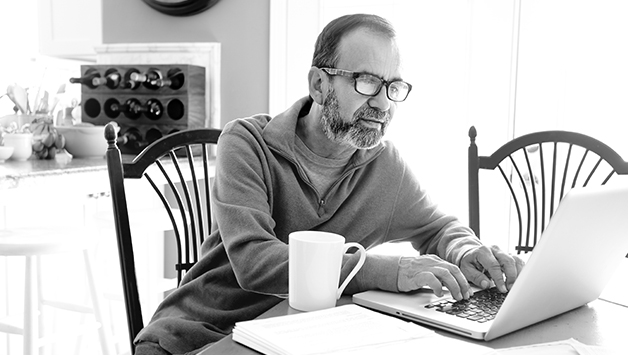
How to care for dementia at home: A complete guide

Understand your dementia diagnosis and begin to plan for your care at home with this comprehensive guide
If you’re facing a dementia diagnosis, you’re not alone. More than 7 million older adults live with the disease, and it’s believed 42% of adults over age 55 will develop it in their lifetime. These overwhelming numbers have highlighted the need for better care of those affected. This is why, Medicare introduced the Guiding an Improved Dementia Experience (GUIDE) model in 2024. GUIDE is a free pilot program that helps eligible patients get the dementia care they need — at home.
“There’s a growing preference for home-based dementia care because dementia affects not just the individual but the entire family,” says behavioral neurologist, Dr. Joel Salinas, MD, MBA, MSc, FAAN, who is the Chief Medical Officer and Co-founder of Isaac Health, a virtual-first clinic that provides dementia treatment and management. “When dementia symptoms can be effectively managed at home with the right medical oversight, care coordination, and caregiver support, many families find that staying at home is not only practical. It is one of the best ways to preserve dignity for the patient and increase quality of life for the entire family.”
Understanding dementia
You likely have questions about your dementia diagnosis and care. Having the answers cannot only help you understand your circumstances but also ease your mind. Your questions may include:
What is dementia?
Dementia is a label for conditions that affect the brain and result in cognitive decline. This means dementia impacts your ability to think, recall memories or details, or interact with others. Alzheimer’s disease is the most common type of dementia, but several others exist. Determining which you have helps determine the best course of treatment.
Is dementia reversible?
When dementia is caused by a treatable issue, such as thyroid disease, alcoholism, or vitamin B12 deficiency, it may be reversible. However, the number of dementia cases considered reversible is low from 5% to 15%. The remaining Alzheimer’s or other dementia cases are caused by brain disease.
Is dementia preventable?
You may wonder if there’s anything you could’ve done to avoid your diagnosis, but what matters most are the decisions you make moving forward. If you make simple changes that turn into habits, you may be able to improve your brain health and slow the progression of your disease. Your provider may suggest incorporating healthy eating tips, exercise, stress reduction, and good sleep.
Helpful resources

What are early signs of dementia?
Some memory loss is typical with age. But when recall problems persist or interfere with daily life, they may signal dementia. Symptoms can include difficulty managing emotions or behavior, misplacing items in unusual places, struggling to find familiar words, getting lost in familiar settings, and noticeable personality changes.
If you notice early warning signs of dementia, a comprehensive evaluation can diagnose dementia or rule it out. This typically includes cognitive and neurological exams and brain imaging. Early testing helps ensure timely treatment if needed.
“Starting professional support early can make a meaningful difference. Better symptom management and other professional support often lead to improved safety, reduced hospitalizations, and less stress for both patients and families,” Dr. Salinas says.
Can dementia care at home really work?
You may be comforted to learn over one-third of patients are getting the dementia care they need at home, virtually, and in-person. Dr. Salinas says that few aspects are more important than the comfort that being home can provide for dementia patients.
“Few older adults want to move into an unfamiliar setting later in life. That disruption can be especially distressing for someone with cognitive impairment. Changes in the environment can increase confusion, anxiety, and agitation. Being at home allows individuals to maintain a sense of independence, dignity, and continuity in their lives.”
What are other benefits of home dementia care?
Wait times for in-person appointments can be lengthy, but virtual, home-based care may provide quicker access to specialized care. Home-based care may also be more financially sustainable than a long-term care facility. Annual long-term care costs can range from $70,000 for a stay in an assisted living facility to over $125,000 for a private room in a nursing home.
What are the challenges of home-based care of dementia?
Dr. Salinas notes that home dementia care can be challenging, especially when patients or caregivers lack technology skills or reliable internet access. Cognitive, hearing, or vision impairments can also limit access to virtual care. However, providers who offer tech support can make high-quality home care possible. It’s also important for families to realistically assess their ability to manage dementia care at home.
How do you consider whether home-based care is right for you?
Dr. Salinas says your ability to stay safe within your home, the severity of your symptoms, and your support system are important considerations.
“When appropriate medical care and support can be delivered safely, many patients are able to remain comfortably in their home for as long as possible,” he says.
What does home dementia care entail?
Home care allows personalized care, rather than a one-size-fits-all approach, according to Dr. Salinas. This is especially important as the disease progresses, allowing your care plan to fit your symptoms, preferences, and goals. You’ll learn how to care for dementia at home and get help in these areas and others:
Daily routines and safety measures
Early-stage dementia tips help you prepare your life and home for the future. Set up systems for bills, appointments, and daily essentials, and make your home safer by decluttering, removing hazards, adding grab bars, and using safety alert systems.
Medication management
You can manage your medication by using simple pill organizers or advanced automated dispensers, depending on your symptom severity. Home health professionals can help set up reminders and monitor for side effects.
Emotional support and cognitive stimulation
Living with dementia can bring shifting emotions that may require professional support over time. Cognitive stimulation and social activities can also help slow decline and improve well-being. Coordinating these services is a key part of Medicare’s GUIDE program.
Does Medicare cover in-home care for dementia?
As you learn about original Medicare, you may find that while it covers up to 100 days of medically necessary inpatient care, coverage for memory care is limited. Medicare’s GUIDE model helps fill this gap by supporting dementia care at home.
What are Medicare rules for home health dementia care?
To qualify for GUIDE, you must have a dementia diagnosis and be enrolled in Medicare Parts A and B. You must also not be living in a long-term nursing facility. The GUIDE services are comprehensive and can help you feel secure in your dementia care at home.
What services are provided as part of GUIDE?
GUIDE providers must offer the same services, no matter which you choose. Look for an organization with deep expertise in dementia care and a proven record in the services it provides.
Once enrolled, you can expect to receive 24/7 support, care coordination and planning, medication management, ongoing monitoring, and social support. While Medicare does not provide coverage for everyday custodial care, such as bathing and housekeeping, it does provide benefits for respite services. This allows caregivers to get breaks from duties. GUIDE also provides your caregiver with education and other support.
Caregiver training and support
The GUIDE model supports caregivers with services that reduce stress and improve success, including 24/7 support, care navigation, training, support groups, and respite funding. Caregivers may also seek additional education or certification through other resources.
What are available caregiver training programs?
For in-person events, caregivers may join an Alzheimer's Association chapter or complete a Savvy Caregiver® program. The Alzheimer’s Foundation of America also provides various online training and educational workshops.
What certifications are available?
Various certifications are available to family members providing care. These include the National Institute for Dementia Education (NIDE), which offers two levels of dementia care certification for unpaid caregivers. If you’ve completed other training, the National Certification Board for Alzheimer’s and Aging Care offers a course and an exam to acquire its Certified Alzheimer Caregiver (CAC)® status.
What are respite care options?
Respite care allows caregivers to take a break while you continue receiving care. Respite care providers can be found online and may offer care at home or in settings such as adult day centers or overnight facilities.
When to consider dementia care facilities
Respite service providers, your GUIDE partner, or other health care professionals can provide insight into when you may need to transition to a facility. You may also recognize signs on your own.
What are signs that home care may no longer be sufficient?
“Signs can include increasing safety risks, such as frequent falls, wandering, or agitation, despite maximum measures to address those risks,” Dr. Salinas says. “Should you experience significant declines in functioning or require advanced medical equipment or regular skilled staffing, these may also signal that additional support is needed.”
What are my options for long-term care outside the home?
If you need to transition to a facility, you have options. Memory care facilities can provide structured, 24/7 care specific to your dementia. If you lack access to dementia care facilities, assisted living facilities and nursing homes may offer designated units for long-term care of dementia patients. You may perform an online search for “dementia care near me” to view your options, but the hope is that you will remain at home for as long as possible.
“A dementia diagnosis does not mean losing control over your life or care. With the right support, you may continue to live a meaningful, fulfilling life at home for years,” says Dr. Salinas. “Early engagement with specialized care can put the best odds in your favor that you’ll be able to preserve independence, improve daily functioning, and ensure that your care aligns with what matters most to you and your family.”
Wellabe has partnered with Isaac Health to help you prioritize your brain health and stay independent and sharp for years to come. Visit Isaac Health to learn more.
Photo credit: iStock
Search all articles

Sign up for our newsletter
When you sign up for Wellabe's monthly email newsletter, you'll receive tips to protect your health and financial well-being in retirement.
Subscribe

How Medicare Supplement insurance works
Medicare Supplement insurance, a.k.a., Medigap, is supplemental health insurance meant to fill gaps between what’s paid by original Medicare and the overall cost of health care treatments.
View video
Short-term Care insurance
Wellabe's Short-term Care insurance not only helps you maintain an active lifestyle and stay in your home, but it also makes sure your retirement is well protected. You can do more, worry less, and make every day better.
Explore and learn more
Wellabe offers life and supplemental health insurance plans to help you prepare for good days and bad. We’ll always be here to empower you to be well — well prepared and well protected.