How to rebuild your life after a heart attack
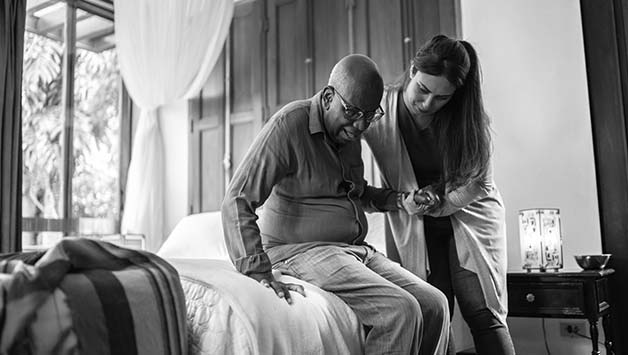
Focus on your physical and emotional recovery to minimize the risks of another heart attack
Someone suffers a heart attack every 40 seconds in the United States, resulting in more than 800,000 each year. The good news is that the survival rate for such an emergency has never been better, having increased from 60% to more than 90% over the last 50 years. This means a happy outcome for the majority. But surviving a heart attack is just the beginning — what comes next matters most. The effort you put into recovery can help reduce the likelihood of a repeat event and lower your risk for other heart-related conditions.
What is recovery like after a heart attack?
You may believe most recovery work after a heart attack is physical. But when you don’t address the psychological distress of a heart attack, you become 1.5 times more likely to have another. One-quarter of all heart attacks each year are experienced by someone who’s had one before. This makes it vital to focus on both your physical and emotional needs to maintain a healthy life after heart attack recovery.
Helpful resources
Physical recovery after a heart attack
After a heart attack, you may have physical symptoms like fatigue and shortness of breath. You can combat these by strengthening your cardiovascular health. The most effective physical recovery steps after a heart attack include:
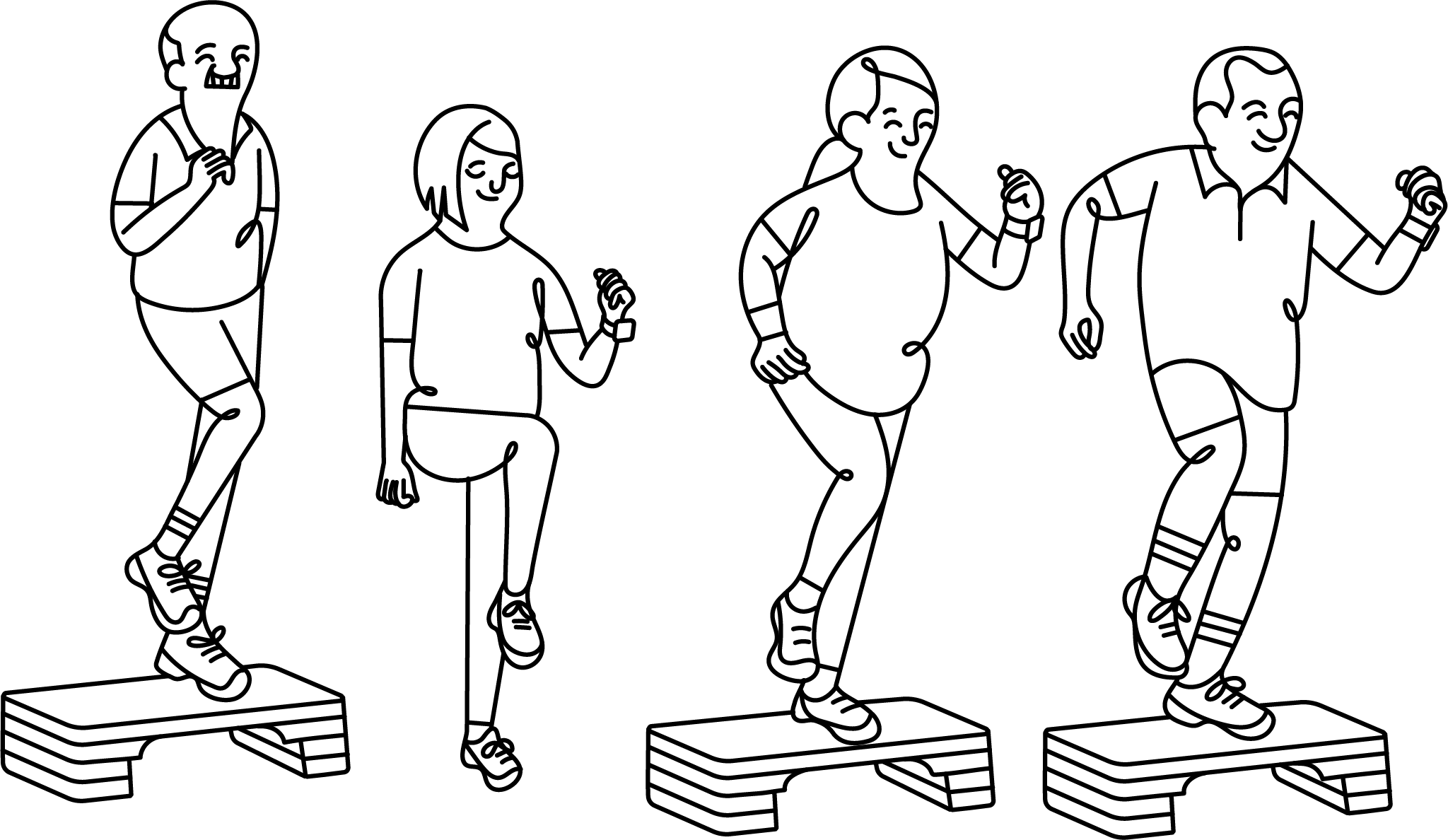
Participating in a cardiac rehabilitation program
Cardiac rehabilitation programs can improve the heart health of anyone with any level of heart disease, mild to severe. Under the supervision of medical professionals, you engage in exercise that can be tailored to your age and abilities to regain your strength and energy.
If your physician doesn’t mention cardiac rehab, you may need to ask them to provide a referral for a program near you. In rehab, you’ll learn about lifestyle changes that help you recover and avoid another heart attack.
Adhering to recommended lifestyle changes
Even if you aren’t able to attend cardiac rehab, it’s critical that you follow heart attack rehabilitation tips. Your physician may suggest specific lifestyle changes, such as increase exercise; quit smoking; limit alcohol; eat a low-fat, nutrient-rich diet; and sleep seven to nine hours each night. You must also manage your stress, take your medications, achieve a healthy weight, and lower your blood pressure and cholesterol — all of which help you maintain good heart health.
How long does it take to recover from a heart attack?
Physical recovery is generally two weeks to three months. Your heart attack recovery will depend on its severity, the type of treatment, and your ability to make lifestyle changes. It will also depend on your efforts to achieve emotional recovery, too.
Emotional recovery after heart attack
Physical and emotional recovery after a heart attack go hand in hand. Ignoring the emotional impact can make it harder to focus on your physical healing. Psychological distress can affect how well you exercise, sleep, follow a medication schedule, and make healthy choices.
If you’re struggling emotionally after your heart attack, you’re not alone — up to 50% of survivors do. Facing these challenges early can help lower your risk of another event.
What emotional challenges follow a heart attack?
Anxiety, depression, and post traumatic stress disorder (PTSD) are common after a heart attack. If fear, worry, or sadness keeps you from participating in your recovery or leads you to withdraw, it’s time to seek support. When these problems continue, they can increase your risk of another heart attack. Counseling and other mental health care can help you feel better.
Why are mental health support and counseling important?
Research has found that you can greatly reduce your risk of being hospitalized, visiting the emergency room, or worse, by 65–75% when you heal the emotional impacts of a heart attack.
Healthy lifestyle changes can improve your mental health, but you may also need support from a professional. Cognitive behavioral therapy — a structured, goal oriented form of talk therapy — can help change unhelpful thoughts and behaviors and teach stress reduction strategies. Medication may also help. Your physician or cardiac rehab program may refer you to a therapist or other mental health professional.
What are tips for coping and building resilience?
In addition to professional help, you can help yourself cope with feelings of fear, anxiety, anger, or sadness by trying to:
- Talk to your health care providers to understand exactly what happened to you and what you can expect. This helps you to recall facts when worry creeps in.
- Speak positively to yourself about your recovery — “I can handle this” — and visualize yourself getting healthier.
- Reach out to friends or family members you can talk to about your feelings.
- Do activities you enjoy, like spending time with friends or engaging in hobbies.
- Take a leisurely walk outdoors — both exercise and being outside are known to improve symptoms of anxiety and depression.
- Avoid the urge to suppress your emotions with alcohol or other harmful substances because they can worsen your condition.
- Minimize stress whenever possible. For example, seek assistance for financial stress from medical bills, health insurance coverage, or loss of income due to your emergency.
Financial and insurance considerations for heart attacks
Heart attacks cost Americans 65 and older nearly $12 billion each year. The bill for your heart attack, emergency visit, and hospital stay may represent only about 20% of the total cost.
Why do medical costs spike after a heart attack?
In the weeks and months following a heart attack, people spend almost one-third of their total expenses on prescription medication and another third on physician office visits. The remaining amount may be spent on outpatient or home health care. Erin Bueltel, Wellabe’s Director of Product Solutions, explains that needs can vary. They may range from rehabilitation to a nutritionist to assist with dietary changes.
“While medical insurance pays for medical care, some of the indirect costs, such as for therapy, may not be covered,” Bueltel says.
Whether you have Medicare or other health insurance, you’ll want to be aware of any gaps in your coverage. This will help you to understand what you may pay out of pocket for heart attack recovery.
What are gaps in traditional health coverage and Medicare?
If you have original Medicare without supplemental insurance, you must cover your deductibles and copayments after a heart attack. Cardiac rehabilitation is worth considering — original Medicare covers it once you meet your Part B deductible. After that, you’ll pay 20% of the Medicare approved amount plus any copayment.
For Part C Medicare Advantage (MA) plans, copayments remain a major gap. Network changes are also creating problems. As more hospitals drop MA plans, you could end up receiving emergency care at an out of network hospital, which may lead to high out of pocket costs. Other gaps depend on your specific plan, so you’ll need to ask your insurer about your benefits for heart attack recovery. The same applies to traditional health insurance — like MA plans, coverage varies by insurer.
Once you understand your policy’s gaps, you may wish to consider supplemental insurance. It can minimize your financial stress and its potential impact on your health.
Do I need supplemental insurance after a heart attack?
Bueltel says supplemental insurance can help cover these gaps and indirect costs, like those from loss of income during your recovery. Specifically, you may consider Critical Illness insurance for heart attack coverage.
These policies generally range from $5,000 to $100,000, providing flexible choices based on your needs. Bueltel says it’s important to find a policy that pays at diagnosis of your heart attack so that you get the funds immediately and can use them in the ways you need.
“As soon as you’re diagnosed with a heart attack, Critical Illness insurance will pay you the lump sum you chose at the time of enrollment,” says Bueltel.
That means, if you chose $25,000 at enrollment, your insurer would send you a $25,000 check upon your diagnosis — no coordination of benefits necessary. You may then use it for surgical or other medical bills, home health or other senior care, or medications. You may also use it to take care of your family, further removing financial stress as you focus on rebuilding your health.
Learn more
To minimize your financial stress to protect your physical and emotional well-being:
- Visit Wellabe’s Critical Illness insurance page to learn what is available in your state.
- Call 866-739-8143 to speak to an agent.
- Request a free quote.
Photo credit: iStock
Search all articles
Sign up for our newsletter
When you sign up for Wellabe's monthly email newsletter, you'll receive tips to protect your health and financial well-being in retirement.
Subscribe
Join Wellabe Rewards
Wellabe Rewards was created to thank loyal customers. Every action you take with Wellabe Rewards is a step toward improving your well-being and earning points toward rewards.
Learn more
How Medicare Supplement insurance works
Medicare Supplement insurance, a.k.a., Medigap, is supplemental health insurance meant to fill gaps between what’s paid by original Medicare and the overall cost of health care treatments.
View video
Explore and learn more
Wellabe offers life and supplemental health insurance plans to help you prepare for good days and bad. We’ll always be here to empower you to be well — well prepared and well protected.