How to find and pay for respite care

Respite care planning: How to find support, understand coverage, and take regular breaks
Caregiving can be rewarding, but it can also place demands on your time, health, and relationships. Respite care provides short-term support for your loved one so you can rest, attend appointments, manage other responsibilities, or reconnect with activities and people you enjoy.
Once you decide that you could benefit from help, you may wonder how to find respite care near you, how to pay for respite care, and whether Medicare or another insurance plan offers coverage.
The following respite care planning steps can help you explore available services and build regular breaks into your caregiving routine to avoid caregiver burnout.
Where can I find respite care resources?
Knowing how to find senior care that’s right for you may feel daunting. But you may have more in-home services, adult day programs, respite care facilities, and caregiver resources in your community than you realize.
You can search “finding respite care near me” online to easily find resources for family caregivers of older adults or other loved ones. You can also take the following steps.
Start with those closest to you
Ask friends, relatives, and other people who have served as family caregivers whether they have used respite services.
Even if they have not used a provider personally, they may know someone who has. Recommendations can help you identify local options and prepare questions to ask potential providers.
“Often, word of mouth is the best way to find respite services you can feel comfortable with,” says Jill Kagan, a public health expert and program director for ARCH National Respite Network and Resource Center.
Ask health care providers for referrals
Talk with your loved one’s physician, nurse, social worker, or other health care professional about local respite care resources.
Kagan says a new Medicare payment model allows health care providers to receive reimbursement when they provide caregiver training and information. As a result, physicians may be increasingly familiar with respite services available in their communities.
Before choosing a provider, discuss your loved one’s medical needs, mobility, medications, daily routine, communication preferences, and any behaviors or safety concerns that may affect care.
Helpful resources
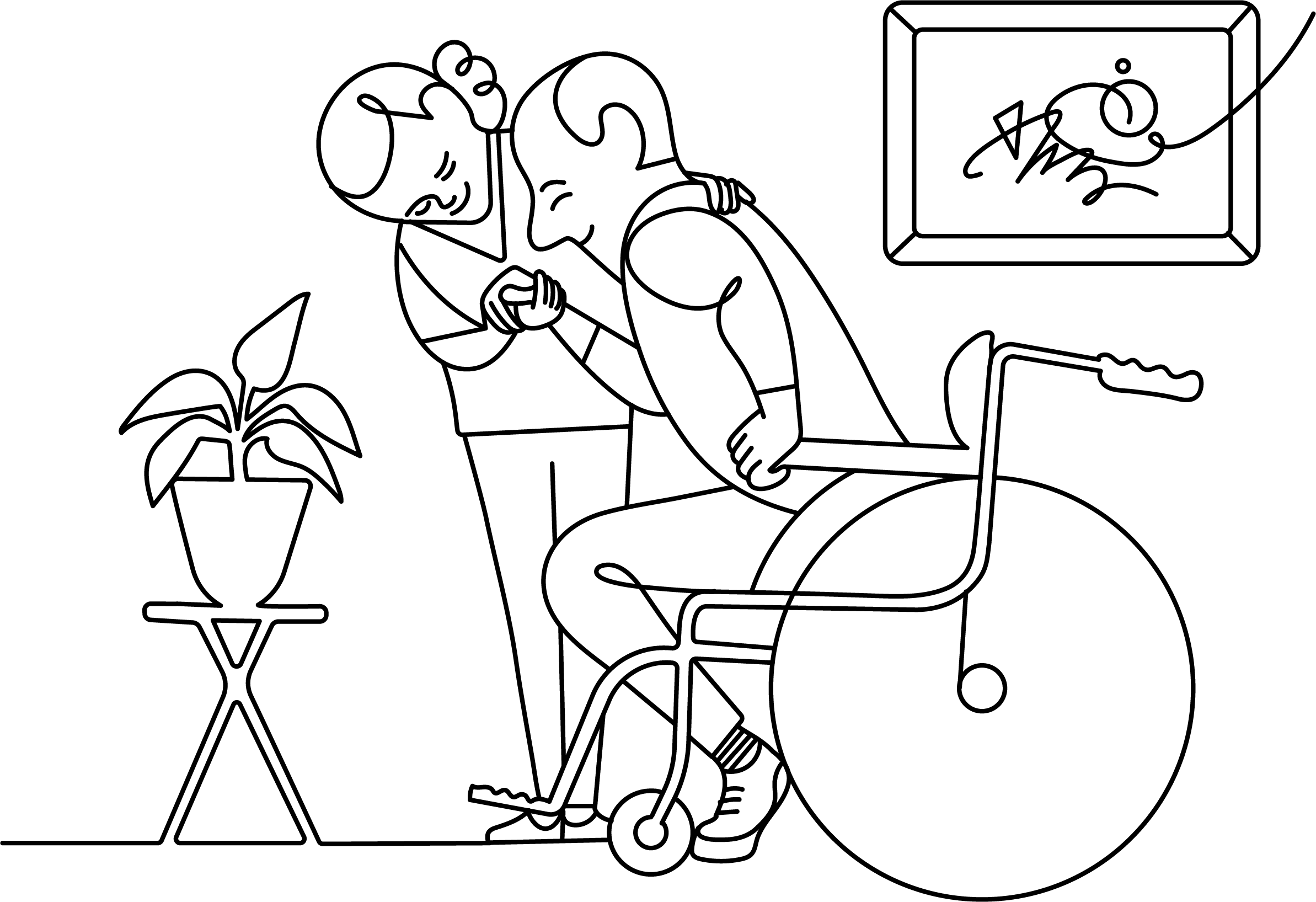


Contact community organizations
Contact your local senior center to ask whether it offers an adult day program or can refer you to one.
Caregiver support groups may also provide information about local services. Private aging and health organizations, such as the Alzheimer’s Association or Parkinson’s Foundation, may be able to connect you with area support groups and other caregiving resources.
Faith-based organizations, community agencies, colleges, and universities may offer volunteer programs or partnerships that provide caregiver assistance.
Explore government-supported programs
Government-supported resources for family caregivers are available at the federal, state, and local levels. However, programs may have different eligibility requirements, funding sources, application processes, and waiting lists.
“The multiple and often siloed sources of public and private funding for respite, and the differing eligibility criteria, can make finding and navigating services confusing and overwhelming,” Kagan says.
One option is the National Family Caregiver Support Program, which is administered through local area agencies on aging and provides caregiver support and respite care. Visit the Eldercare Locator to find the agency serving your area.
The Lifespan Respite Care Program is a federal grant program designed to help families access respite care. Depending on where you live, you may be able to apply for a respite voucher program that provides funding for care.
You can also search for your State Lifespan Respite Care Program or State Respite Coalition through ARCH. The organization also offers a National Respite Locator Service to help families identify services.
Veterans enrolled in VA health care may have access to respite care services through a local caregiver support team. Medicaid participants may also qualify for waivers that help cover respite care.
Availability and eligibility vary, so contact each program directly to understand its requirements.
Does Medicare cover respite care?
If your care recipient has Medicare Advantage, also known as Medicare Part C, check the individual plan to determine whether respite care benefits are included.
Original Medicare Part A generally covers respite care only when a person is eligible for hospice benefits.
Another option may be available to participants in the GUIDE, or Guiding an Improved Dementia Experience, model. This voluntary model tests services for people with dementia and their caregivers, including respite services. Eligible participants may receive a specified amount of respite care from a home health aide.
Because coverage can depend on the program, plan, eligibility requirements, and type of care, review your loved one’s benefits and speak with the plan administrator or care team before scheduling services.
ARCH also explains additional options for how to pay for respite. Depending on your circumstances, you may need to combine public programs, community assistance, personal funds, and supplemental insurance benefits.
How can I easily build respite into my caregiving plan?
Start small
Respite care planning does not have to begin with an extended absence. Starting with small, predictable breaks can help you and your loved one become more comfortable with receiving support.
“Respite may also be as simple as stepping outside for 10 minutes to get some fresh air or getting up early to do yoga or meditate,” Kagan says.
You might initially ask a trusted friend or relative to stay with your loved one while you take a walk, run an errand, or attend an appointment. Starting small can help you learn what works before arranging longer periods of care.
Schedule breaks proactively
Make taking a time-out part of your regular schedule rather than waiting until you are exhausted.
For example, you might take a walk while your loved one visits with a friend or schedule a recurring adult day program visit. A planned break may be easier to protect than one you attempt to arrange during a crisis.
Create a backup care network
Backup planning can help ensure your loved one has care during a scheduled break or emergency.
Your backup care network might include:
- Family members
- Friends or neighbors
- Paid in-home caregivers
- Adult day programs
- Home health care agencies
- Residential respite providers
- Community or faith-based programs
Keep essential information available for anyone stepping into the caregiving role. This may include emergency contacts, medication details, routines, dietary needs, mobility considerations, and instructions for situations that commonly arise.
Make self-care part of caregiving
“Caregivers often think first about the person receiving care,” Kagan says. But respite care is also a self-care tool that can help you continue to provide support over time.
You may wonder, “How often should caregivers use respite care?” The answer depends on your responsibilities, health, support network, and your loved one’s care needs. However, research indicates regular use is most beneficial.
“How frequently you use respite can determine how beneficial the respite will be,” Kagan says. “So many of us wait until we are in a crisis to seek help, and it’s much better not to wait.”
Plan what you will do during respite time
Having a plan can help you use limited respite time in ways that support your well-being.
“Good planning can help maximize the amount of respite that is available,” Kagan says.
Depending on your needs, you may use respite time to:
- Sleep or rest
- Attend a medical appointment
- Exercise or spend time outdoors
- Visit a friend
- Participate in a hobby
- Complete errands
- Spend time with your spouse, children, or grandchildren
- Do something simply because you enjoy it
Respite does not have to be productive. Rest and enjoyment are valid uses of your time.
Find providers who want to help you get comfortable with respite care
Kagan suggests looking for providers who are flexible and take a person- and family-centered approach.
Trial visits can help your loved one become familiar with a provider and allow you to evaluate the arrangement before scheduling a longer period of care. Ask how the provider will accommodate your loved one’s routines, preferences, language, cultural background, medical needs, and communication style.
“Care should be tailored to your needs and those of your care recipient, as well as to your preferences and cultural or linguistic background,” Kagan says.
Consider Short-term Care insurance
Beginning at age 50, you may consider supplemental insurance designed to help address gaps in insurance coverage and reduce eligible out-of-pocket care expenses.
You or your loved one may want to compare Short-term Care insurance vs. Long-term Care insurance when planning for future care needs.
Short-term Care insurance provides coverage for up to 360 days for several types of care. It generally has fewer restrictions than Long-term Care insurance on how benefits can be used and who may qualify. Depending on the policy and eligibility requirements, Short-term Care insurance may offer an option for someone concerned about potential respite or other care expenses.
Review the policy’s covered services and eligibility requirements before deciding whether it fits your needs.
Get a free Wellabe Short-term Care insurance quote >
Photo credit: iStock
Search all articles

Sign up for our newsletter
When you sign up for Wellabe's monthly email newsletter, you'll receive tips to protect your health and financial well-being in retirement.
Subscribe

Critical Illness insurance: Coverage that matters
Wellabe's Critical Illness insurance is supplemental health insurance that helps fill gaps between what's paid by original Medicare and the overall cost of treatments for cancer, heart attacks, strokes, and more.
View video
Short-term Care insurance
Wellabe's Short-term Care insurance not only helps you maintain an active lifestyle and stay in your home, but it also makes sure your retirement is well protected. You can do more, worry less, and make every day better.
Explore and learn more
Wellabe offers life and supplemental health insurance plans to help you prepare for good days and bad. We’ll always be here to empower you to be well — well prepared and well protected.