Avoid caregiver burnout by using respite care

Respite care for caregivers: How to care for yourself while caring for a loved one
As a caregiver, you treat your loved one with compassion and patience. But you may find it difficult to show yourself the same kindness. You may believe self-care is selfish or worry that taking a break means avoiding your responsibilities.
However, taking care of yourself can help you become more resilient and better able to care for others. One important self-care strategy is respite care for caregivers, which gives you time to rest while your loved one continues to receive support.
Understanding the benefits of respite care and recognizing caregiver burnout signs can help you seek assistance before you become overwhelmed.
What is respite care?
Respite care is short-term care for your loved one that gives you a break from your caregiving responsibilities.
Jill Kagan, a public health expert and program director for ARCH National Respite Network and Resource Center, says respite care can benefit both caregivers and care recipients. Loved ones may experience greater socialization, enhanced quality of life, and fewer hospitalizations. Caregivers receive support and time to attend to their own physical and emotional needs.
“By supporting family caregivers, respite care helps people with disabilities and older adults live in the community,” Kagan says. “Strong evidence shows respite care relieves caregiver stress and anxiety, improving both caregiver physical and emotional well-being.”
Respite care may last a few hours, several days, or even a few weeks, depending on your situation. Care may be provided at home, through a community program, or in a residential setting.
Helpful resources
What types of respite care are available?
Respite care can provide short-term relief while ensuring your loved one continues to receive assistance. Common options include:
In-home respite care
Many caregivers prefer this type of respite care because it lets their loved one remain in familiar surroundings.
Home health care agencies may provide skilled assistance for people with complex care needs. Volunteer, faith-based, and community programs may also offer in-home help. Kagan says some organizations partner with colleges and universities to connect caregivers with nursing or social work students who provide care at home or in community settings.
Adult day services
Adult day services, also called adult day care, give caregivers a break while providing supervision, activities, and social opportunities for older adults.
Research indicates these programs can reduce caregiver stress and may help delay nursing home placement. Adult day programs may be available through local governments, hospitals, churches, nursing homes, or assisted living communities.
Residential respite stays
When you need overnight care or an extended break, some nursing homes and assisted living communities offer short-term residential stays.
These stays provide around-the-clock professional care, allowing caregivers to rest, travel, attend an important event, or focus on other responsibilities.
Informal support
Friends, family members, and neighbors can also provide valuable respite care.
Kagan points to shared respite programs, such as memory cafés, where caregivers and people living with dementia participate in activities together. They may listen to music, share a meal, or enjoy another social activity. These programs can ease caregiver stress while helping both individuals reconnect and enjoy meaningful time together.
What is provided as part of respite care?
Respite care services vary based on the setting, length of care, your loved one’s needs, and the provider’s capabilities.
Services may include help with:
- Bathing and dressing
- Medication management
- Meals and meal preparation
- Housekeeping and laundry
- Transportation
- Therapeutic exercise
- Cognitive activities
- Recreation and socialization
Adult day programs and residential facilities may also offer group activities and opportunities to build social connections, which can support physical, emotional, and cognitive well-being.
Kagan recommends making respite care part of your caregiving plan as early as possible.
“Respite is most helpful if you are able to use it early when you first become a caregiver and use it as regularly as possible,” she says.
Why is respite care important for caregivers?
Family caregivers often experience both physical and emotional strain.
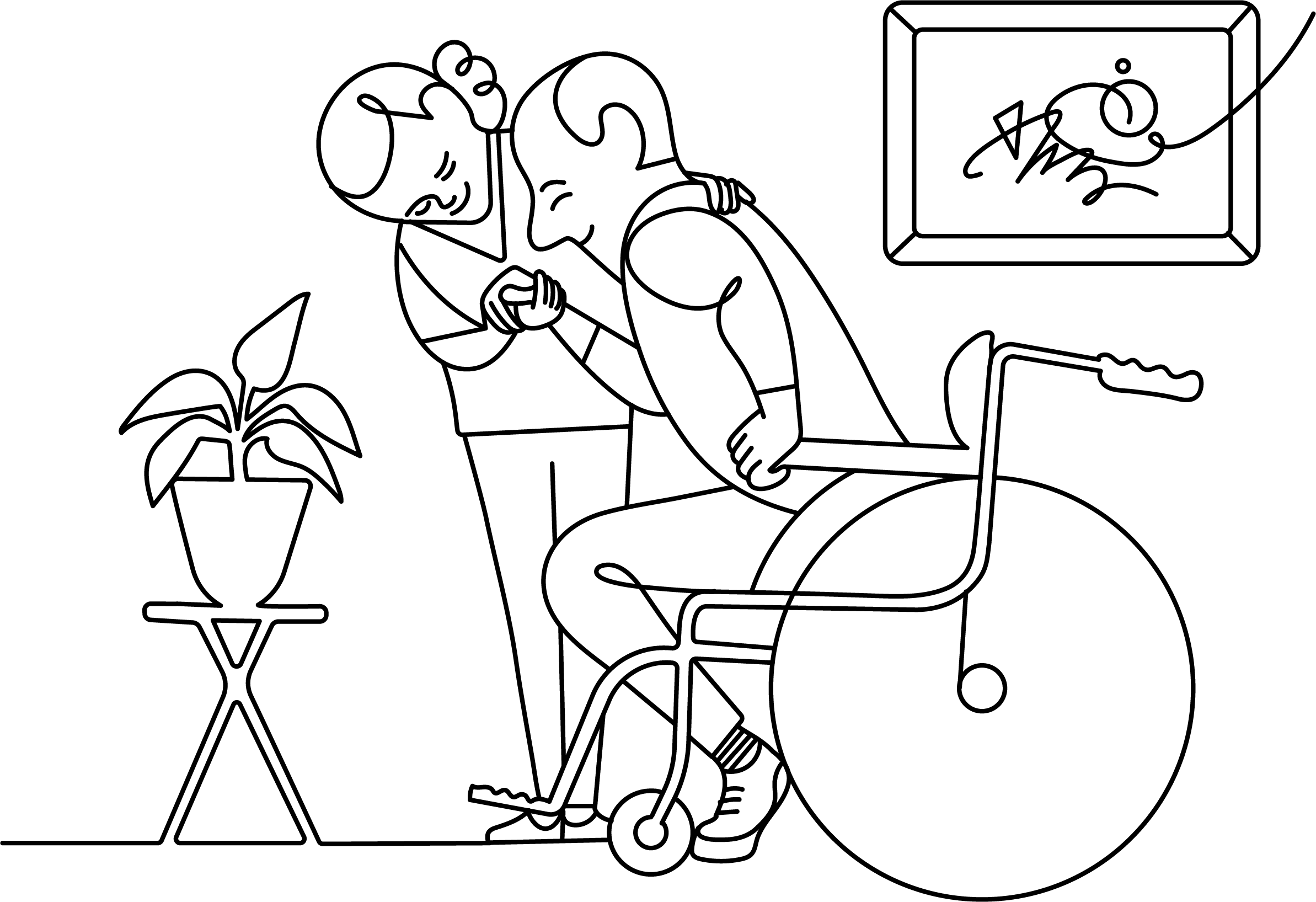
You may help a loved one move safely, get in and out of a chair or bathtub, manage personal care, or complete household tasks. At the same time, caring for an aging or ill loved one can bring sadness, frustration, worry, or loneliness.
In fact, one in four caregivers reports feeling isolated, and nearly 65% experience moderate to high levels of stress.
When caregivers need a break but do not take one, the result may be caregiver burnout.
What are the signs of caregiver burnout?
Caregiver burnout signs may include:
- Physical or mental exhaustion
- Feelings of overwhelm, frustration, or hopelessness
- Difficulty concentrating
- Changes in sleep or appetite
- An increase in your own physical health concerns
- Social isolation or avoidance of friends and family
- Neglecting your needs, interests, or medical care
These signs do not mean you have failed as a caregiver. They may indicate that the demands of caregiving have exceeded the support and recovery time available to you.
How does respite care help prevent caregiver burnout?
Almost 20% of caregivers report being in poor or fair health and neglecting their own needs. To understand how respite care helps prevent caregiver burnout, consider the physical, emotional, and relational benefits.
Physical repair
- Much-needed rest: A night of uninterrupted sleep or even a short nap can help you feel refreshed.
- Relief for muscles and joints: Time away from lifting, assisting, and household tasks can give your body a break.
- Time for your health: Respite care can allow you to exercise, attend medical appointments, or address health concerns you have postponed.
Emotional recovery
- Reduced stress: Use your time to rest, enjoy an activity, or reconnect with friends.
- Improved resilience: Caregiving can place a burden on even the most resilient person. Regular breaks may help you return to your responsibilities with renewed energy.
- Greater peace of mind: Having a capable person care for your loved one can give you permission to focus on something else.
Relationship building
- Improved family dynamics: Exhaustion and an uneven distribution of responsibilities can create anger or resentment. A break may help ease tension.
- Restored quality time: Respite care makes room for taking care of yourself and spending time with other people in your life. You might attend a child’s or grandchild’s activity, share a meal with your spouse, or meet a friend.
What are common concerns about using respite care?
Respite care is consistently ranked as a major need among family caregivers. According to the “Caregiving in the U.S.” report from the National Alliance for Caregiving and AARP, nearly 40% of caregivers identified respite as their greatest service need, but only 13% used it.
Caregivers may think:
- “No one can care for my loved one like I can.”
- “I feel guilty taking time for myself.”
- “It’s too expensive.”
- “Finding someone to help seems impossible.”
- “I should be able to handle this myself.”
“Many caregivers don’t use respite simply because they don’t know what it is, don’t realize it could help them, or don’t feel comfortable asking for or using it,” Kagan says.
Guilt, sadness, loss of control, and concerns about trust are understandable. You may also worry that accepting support means you are not fulfilling your responsibilities. But respite care should be viewed as preventive support, not a last resort or a sign of failure.
Asking for help can protect your health and help you continue providing compassionate care. Our related blog, How to find and pay for respite care, explains how to locate services, explore financial assistance, and make regular breaks part of your caregiving plan.
Photo credit: iStock

Short-term Care insurance
Wellabe's Short-term Care insurance not only helps you maintain an active lifestyle and stay in your home, but it also makes sure your retirement is well protected. You can do more, worry less, and make every day better.
Explore and learn more
Wellabe offers life and supplemental health insurance plans to help you prepare for good days and bad. We’ll always be here to empower you to be well — well prepared and well protected.