7 habits to keep your brain sharp after 50

Brain health after 50: Simple tips to protect memory health and cognitive wellness
As you get older, taking care of your brain is just as important as taking care of your heart, muscles, and bones. While some changes in memory and thinking are a normal part of aging, research shows you can take steps to support cognitive health and stay mentally engaged.
The good news? Many of the same habits that support your overall wellness can also benefit your brain. Whether you're planning for retirement, enjoying an active lifestyle, or looking for ways to maintain your independence, these seven habits can help support a healthy mind for years to come.
1. Move your body to support your brain
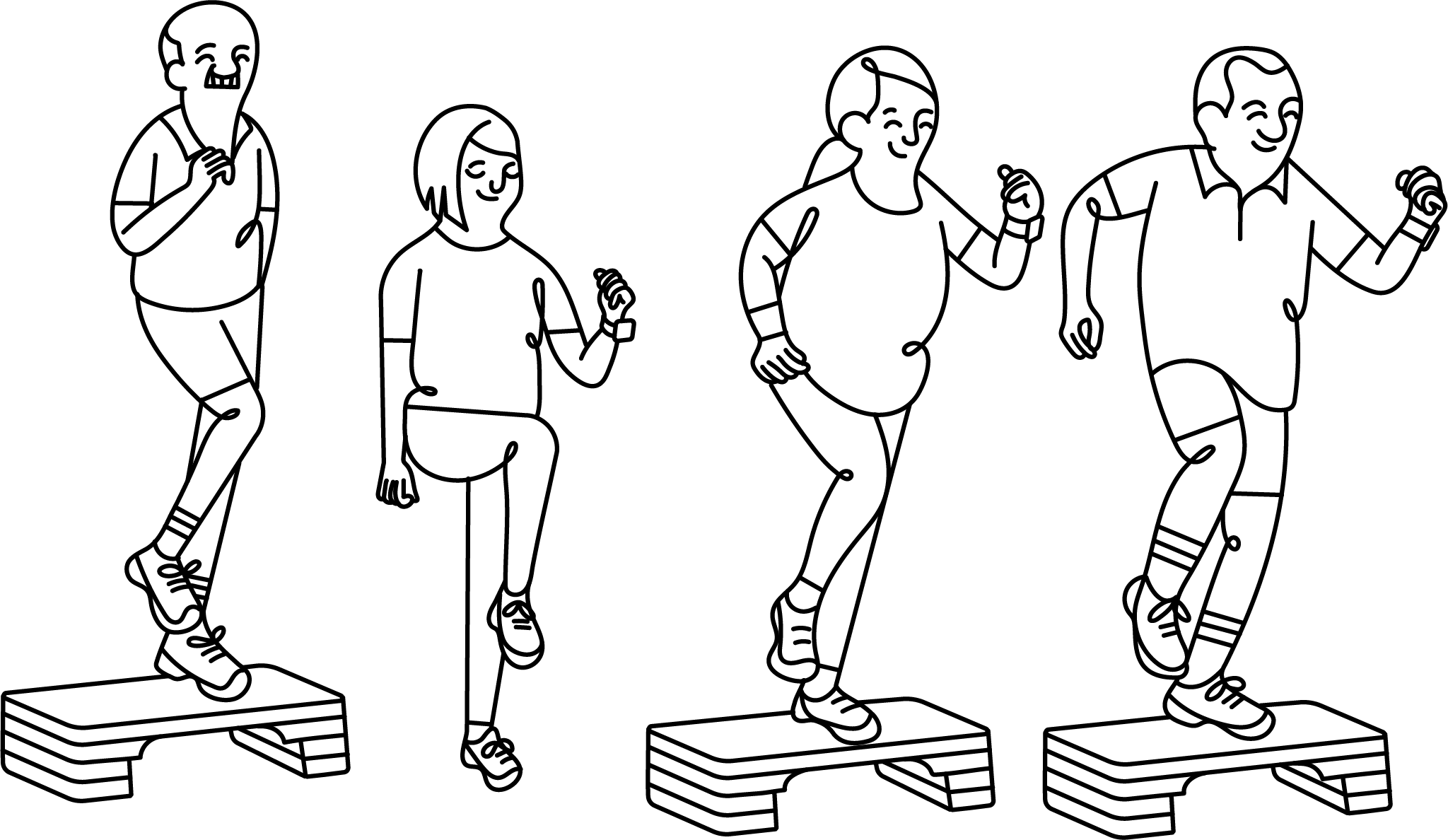
Physical activity does more than strengthen your muscles and improve balance. Regular exercise increases blood flow to the brain, supports healthy brain function, and may help maintain memory and thinking skills as you age. Research has also found that physical activity, including strength training, may help support cognitive performance in older adults.
You don't have to run marathons to see benefits. Walking, swimming, gardening, dancing, cycling, and strength training can all contribute to better brain health.
The key is consistency. Choose activities you enjoy and look for opportunities to move throughout the day.
2. Choose foods that nourish your mind
Research suggests that eating patterns rich in vegetables, fruits, whole grains, fish, nuts, beans, and healthy fats may support cognitive health for seniors. One eating plan that has received attention from researchers is the MIND diet, which combines elements of the Mediterranean and DASH diets. Studies have associated greater adherence to the MIND diet with slower cognitive decline in older adults.
Consider incorporating more:
- Leafy green vegetables
- Berries
- Whole grains
- Fish
- Beans and legumes
- Nuts
- Healthy oils
Limiting heavily processed foods, fried foods, and excess sugar can also support your overall health.
Helpful resources


3. Challenge your brain with new experiences
Your brain thrives on learning and mental stimulation.
Keeping your mind active may help strengthen important cognitive skills and encourage new neural connections. The more you challenge your brain, the more opportunities it has to adapt and grow.
Try activities like:
- Reading books and articles
- Completing puzzles and word games
- Learning a new language
- Taking an online course
- Trying a new hobby
- Learning a musical instrument
The goal isn't to become an expert overnight. It's to stay curious and continue exploring new ideas and experiences.
4. Stay socially connected
Strong social connections are good for more than your emotional well-being. Research suggests that social engagement may help support cognitive health and is associated with a lower risk of cognitive decline.
Meaningful interactions stimulate your mind, provide emotional support, and can help reduce feelings of loneliness and isolation.
Consider ways to stay connected, such as:
- Spending time with family and friends
- Volunteering in your community
- Joining a club or hobby group
- Participating in faith-based activities
- Attending local classes or events
Even small social interactions can help keep you engaged and connected.
5. Prioritize quality sleep
Sleep plays an important role in learning and memory health for older adults. During sleep, your brain processes information and performs critical functions that help support cognitive performance.
While sleep patterns often change with age, getting adequate rest remains essential.
To improve sleep quality:
- Maintain a consistent sleep schedule
- Limit screen time before bed
- Create a cool, quiet, and comfortable sleep environment
- Avoid caffeine late in the day
- Talk with your health care provider if sleep difficulties persist
6. Manage stress in healthy ways
Stress is a part of life, but chronic stress can affect your focus, memory, and overall well-being.
Making stress management part of your routine can help support both your emotional well-being and cognitive health.
Healthy ways to manage stress include:
- Practicing mindfulness or meditation
- Spending time outdoors
- Exercising regularly
- Maintaining meaningful relationships
- Practicing gratitude
- Participating in hobbies you enjoy
If stress begins to feel overwhelming, don't hesitate to seek support from family, friends, or a health care professional.
7. Never stop learning
Lifelong learning is one of the best gifts you can give your brain.
Whether you're learning a new technology, exploring a hobby, taking a class, traveling, or volunteering, new experiences help keep your mind active and engaged.
Federal brain health resources for older adults encourage continued learning, social engagement, and physical activity as part of a healthy aging lifestyle.
New experiences can help build confidence, create meaningful connections, and encourage personal growth at every stage of life.
Photo credit: iStock
Search all articles

Sign up for our newsletter
When you sign up for Wellabe's monthly email newsletter, you'll receive tips to protect your health and financial well-being in retirement.
Subscribe
How Medicare Supplement insurance works
Medicare Supplement insurance, a.k.a., Medigap, is supplemental health insurance meant to fill gaps between what’s paid by original Medicare and the overall cost of health care treatments.
View video
FAQ
Healthy habits, such as regular exercise, nutritious eating, quality sleep, stress management, social engagement, and lifelong learning can help support brain health and cognitive function as you age.
Research suggests that foods such as leafy greens, berries, whole grains, fish, nuts, beans, and other components of the MIND diet may support cognitive health.
Physical activity increases blood flow to the brain and has been associated with healthier cognitive function and memory as people age.
Research has linked social engagement with better cognitive health and a lower risk of cognitive decline in older adults.
Sleep helps your brain process information, consolidate memories, and maintain important functions related to learning and cognition.
Explore and learn more
Wellabe offers life and supplemental health insurance plans to help you prepare for good days and bad. We’ll always be here to empower you to be well — well prepared and well protected.