
How staying social improves mental health in older adults
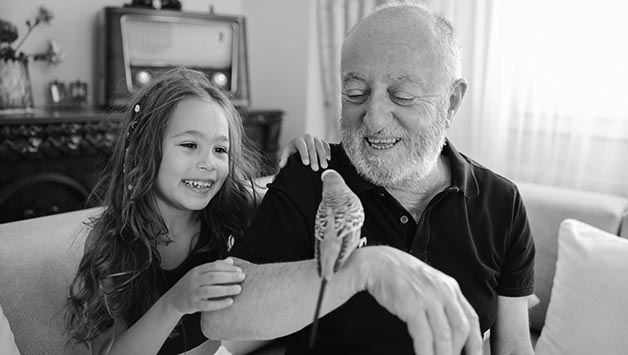
Social connection supports healthy aging by enhancing emotional wellness and avoiding senior isolation
Healthy aging isn’t only about physical health — it’s also about staying emotionally connected, engaged, and supported as life changes.
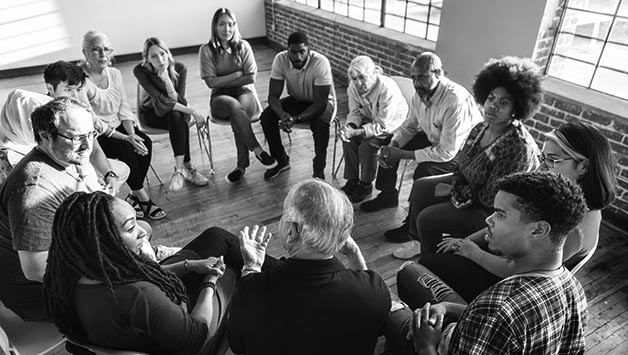
One out of three adults aged 50 and up admit to feeling lonely at least some of the time. As you grow older, it’s common to lose regular social interaction due to retirement, health challenges, or the loss of friends and family. Even if you don’t consider yourself lonely, too much time alone can affect your mental health and well‑being. The good news: staying social is possible at any age, and it plays a significant role in healthy aging.
What happens when older adults become socially isolated?
Social isolation has profound effects on both physical and mental health in older adults. Lack of social engagement is associated with a 29% greater risk of early mortality, making social isolation in seniors just as dangerous as smoking and obesity. It can not only rob you of restful sleep and the ability to make good decisions, but it can also be a source of great stress. It’s these reasons and others that depression and social isolation are strongly linked.
As routines change in retirement and later life, understanding the importance of staying social as you age helps you protect your healthy aging lifestyle and emotional health long‑term.
The link between social connection and mental health
Social connection refers to a feeling of belonging and having the support you need in life.
Emotional wellness is a form of daily self‑care that helps you respond to stress, adapt to change, and enjoy a higher quality of life as you age.
The mental health benefits you gain with social connection enable invaluable emotional wellness.
Helpful resources

What are the mental health benefits of staying social as you age?
Staying social helps protect mental health in older adults by reducing loneliness, lowering stress, improving sleep, and supporting emotional wellness. Strong social connections are also linked to healthier aging and a better quality of life.
When you have strong social connections, you boost your feel-good hormones, like dopamine and serotonin, and reduce cortisol, the stress hormone. In turn, you can improve your sleep, eat healthier, and exercise, fulfilling the biggest health tips for seniors. These benefits can result in a positive outlook on life and the emotional wellness you need in your golden years.
Emotional wellness: Feeling connected, valued, and purposeful
When you have emotional wellness, you have a healthy stress response and can more easily accept and adapt to life’s changes. For example, emotional wellness can help you maintain your health while grieving the loss of a loved one versus emotional eating, overdrinking alcohol, or other unhealthy habits. This is one way your emotional wellness is important to your physical health.
Why does emotional wellness matter just as much as physical health?
Emotional wellness helps you make better decisions in stressful situations. But it also protects your body directly. This is because stress has been linked to obesity, high blood pressure, damage to arteries and blood vessels, and a greater chance of a heart attack or stroke. You’re better able to overcome these risks when your emotional wellness is strong.
What do I need for emotional wellness?
Emotional wellness is supported by three key needs:
- Belonging: Feeling connected to a group that shares your values, interests, or beliefs.
- Shared experiences: Actively spending time with others to build meaningful connections.
- Social support: Having people you can rely on for emotional support or everyday help when needed.
If you’re already lonely or socially isolated, you may wonder how to achieve these. You may already hold the answers in your everyday life.
Everyday ways that staying social supports healthy aging
You don’t need a full social calendar to support emotional wellness. Small, consistent connections matter most.
Maintain platonic friendships
Various research has proven the positive impacts good friendships can have on your well-being, even helping to boost your longevity. While precedence is often given to romantic relationships, it’s important to have platonic friendships too. These friends can help you feel less lonely by listening when you share issues about your significant other or other areas of life. Plus, these friendships can bring you happiness and raise your self-confidence.
To maintain these relationships, be the friend you want to have — kind, open, and trustworthy — and make the effort to see and talk to them often.
Volunteer and give back
At retirement, you may have felt like you lost your identity or a sense of purpose. Having a purpose is often paramount and has been linked to better lifestyle decisions, mental health, stress management, and overall well-being. The act of volunteering, which releases dopamine and allows you to relax, can restore that purpose and those benefits.
It can even be fun when you use skills from a hobby or your professional life. These may range from making blankets for cancer patients to preparing tax returns for those with low incomes to mentoring young professionals or tutoring students. The opportunities for giving back are endless and provide the chance for social engagement in the process.
Plus, when you volunteer often, you add routine and structure to your days, which can help you feel secure and reduce anxiety, among other benefits.
Spend time with grandchildren and younger generations
Spending time with your grandchildren may help keep you young. Research has shown that babysitting is a form of social connection that keeps your brain sharp. This quality time, in moderation, also reduces your depression risk and gives you purpose since the benefits are mutual. Grandchildren value the love, wisdom, patience, and support, among other invaluable gifts, that grandparents provide.
If you don’t have grandchildren or have regular access to them, you may spend time with younger neighbors or other community members. You can also see if a Senior Buddy program is available near you.
Overcoming barriers to staying social
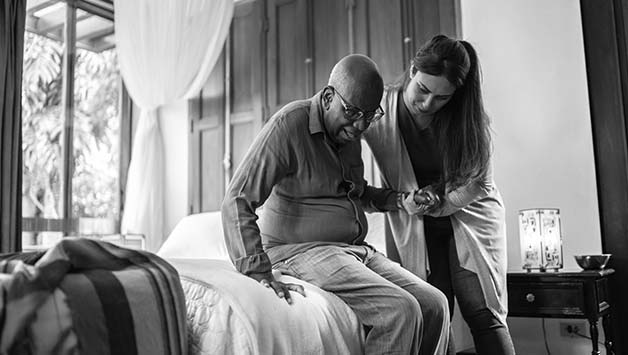
Social engagement for older adults may come with obstacles, like transportation, mobility, social anxiety, or other life circumstances. But there are solutions to help you realize the benefits of being social — and on your terms.
How can I overcome challenges to stay social?
Consider these solutions for preventing loneliness in later life:
- Use community resources: Look for senior centers or local programs that offer activities or transportation. Some offer free services.
- Stay connected virtually: Keep in touch by phone, video calls, email, or online interest groups, especially if distance or mobility is a challenge.
- Start small: If social situations feel uncomfortable, begin with brief, everyday interactions and build confidence over time. In-person or online therapy can also help if social anxiety persists.
How can seniors stay socially active?
Some social activities that promote healthy aging are:
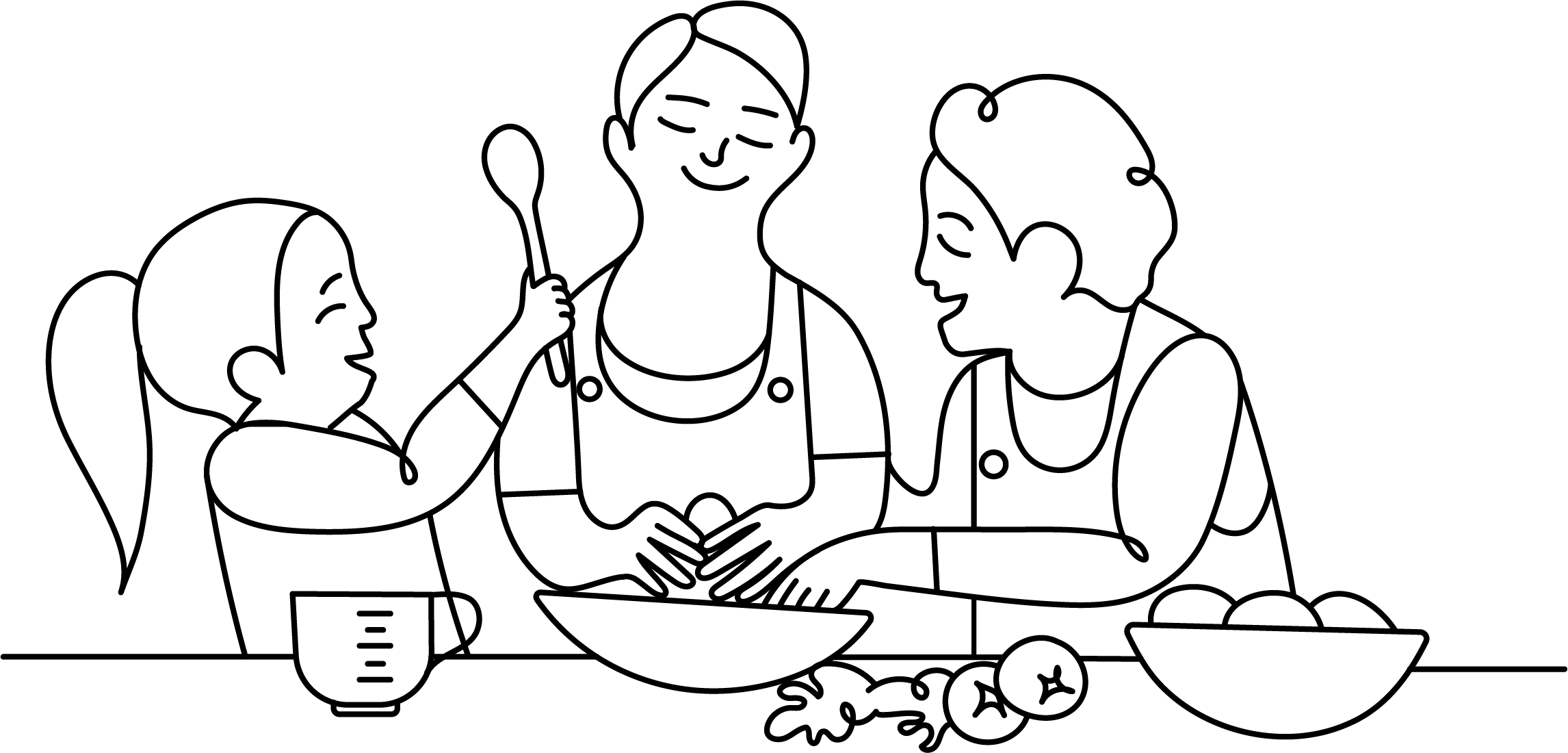
- Gathering friends or family weekly to play cards and board games or eat a meal
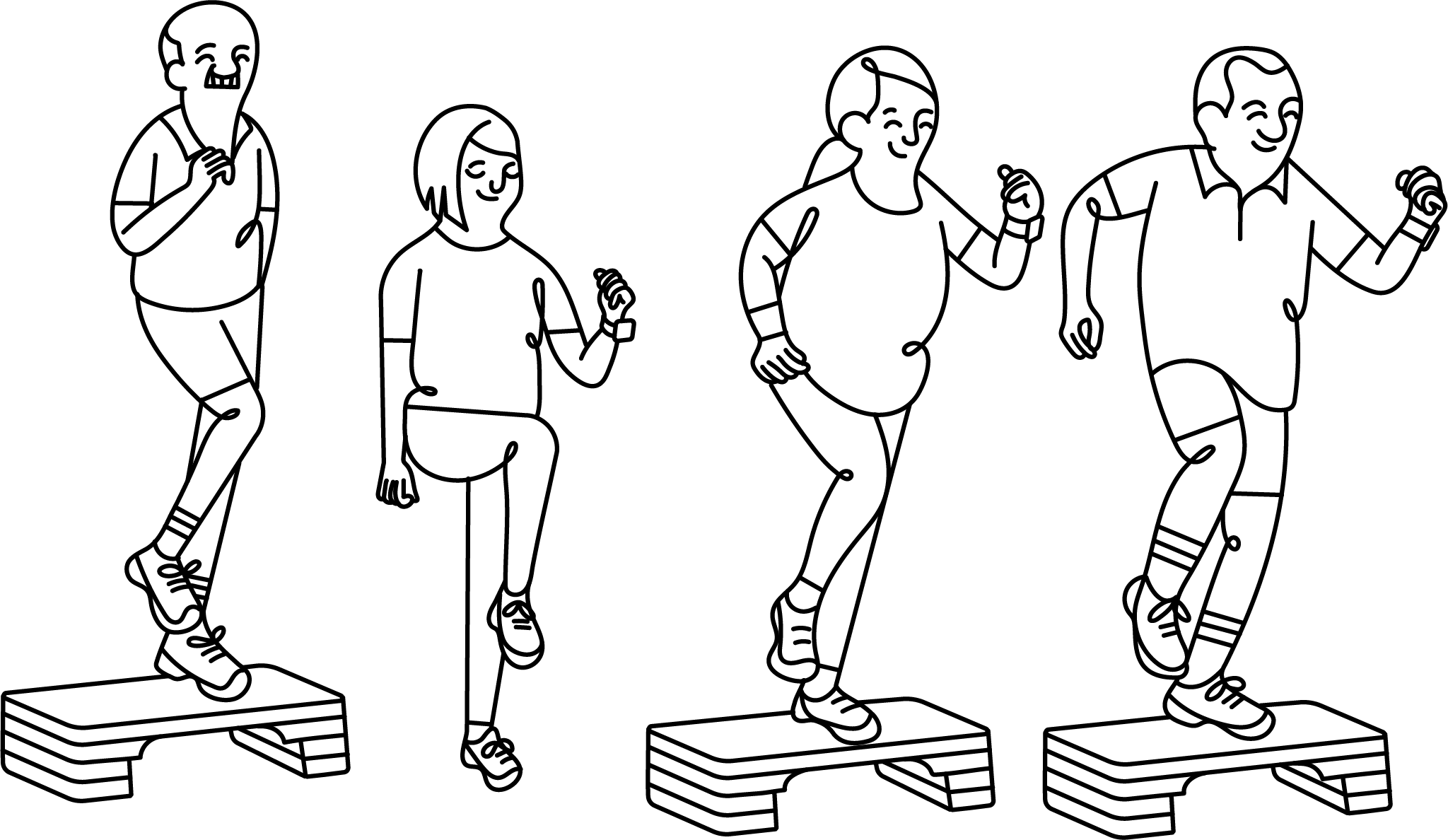
- Signing up for fitness classes; low-impact options are tai chi and chair yoga
- Exploring group hobbies, such as bird watching or singing in a choir
- Joining or starting a book club, knitting group, or dinner club
- Making plans to go on a daily walk with neighbors
- Taking sewing, woodworking, computer, or other types of classes
- Attending your class reunions and scheduling regular meetups with classmates
- Participating in events at your place of worship and senior center
If you’re newly building social connections, start small with what feels most comfortable.
Regular, short social connections can be just as important for self‑care, healthy aging, and a higher quality of life.
Let’s stay connected
Subscribe to our newsletter for practical tips to support healthy aging, emotional wellness, and peace of mind in retirement.
Photo credit: iStock
Search all articles

Sign up for our newsletter
When you sign up for Wellabe's monthly email newsletter, you'll receive tips to protect your health and financial well-being in retirement.
Subscribe

Join Wellabe Rewards
Wellabe Rewards was created to thank loyal customers. Every action you take with Wellabe Rewards is a step toward improving your well-being and earning points toward rewards.
Learn more
How Medicare Supplement insurance works
Medicare Supplement insurance, a.k.a., Medigap, is supplemental health insurance meant to fill gaps between what’s paid by original Medicare and the overall cost of health care treatments.
View video
Explore and learn more
Wellabe offers life and supplemental health insurance plans to help you prepare for good days and bad. We’ll always be here to empower you to be well — well prepared and well protected.
Related articles




50-02-00026 US
03-26