This product is underwritten by Medico® Insurance Company, a Wellabe company.

Count to 40. Someone, somewhere in the United States, just had a stroke. This statistic is how strokes impact almost 800,000 Americans each year and are named a leading cause of death. Surviving a stroke is a major milestone. Now, let’s talk about what comes next — your recovery.
After a stroke, you may experience a wide range of symptoms, depending on the affected area(s) of your brain. Your issues may be cognitive, such as with your memory or talking, or physical, like limb weakness or difficulty swallowing. You may also have emotional or behavioral impacts, including depression, anxiety, or impulsivity.
While your rehabilitation will begin soon after your stroke, your recovery — and your ability to return to activities after stroke recovery — will depend on your stroke’s severity. You’ll make great strides in the weeks and months after your stroke, but healing will take some time. It’ll also require certain efforts to ensure the best path for full physical and emotional recovery.
Having a stroke can have detrimental effects on your physical well-being. Strokes decrease mobility for over 50% of older adults and often result in long-term disability. But when you engage in stroke rehabilitation within the first 48 hours, you can help your body conquer weakness, paralysis, and other issues. Depending on your circumstances, you may need rehabilitation and lifestyle modifications.
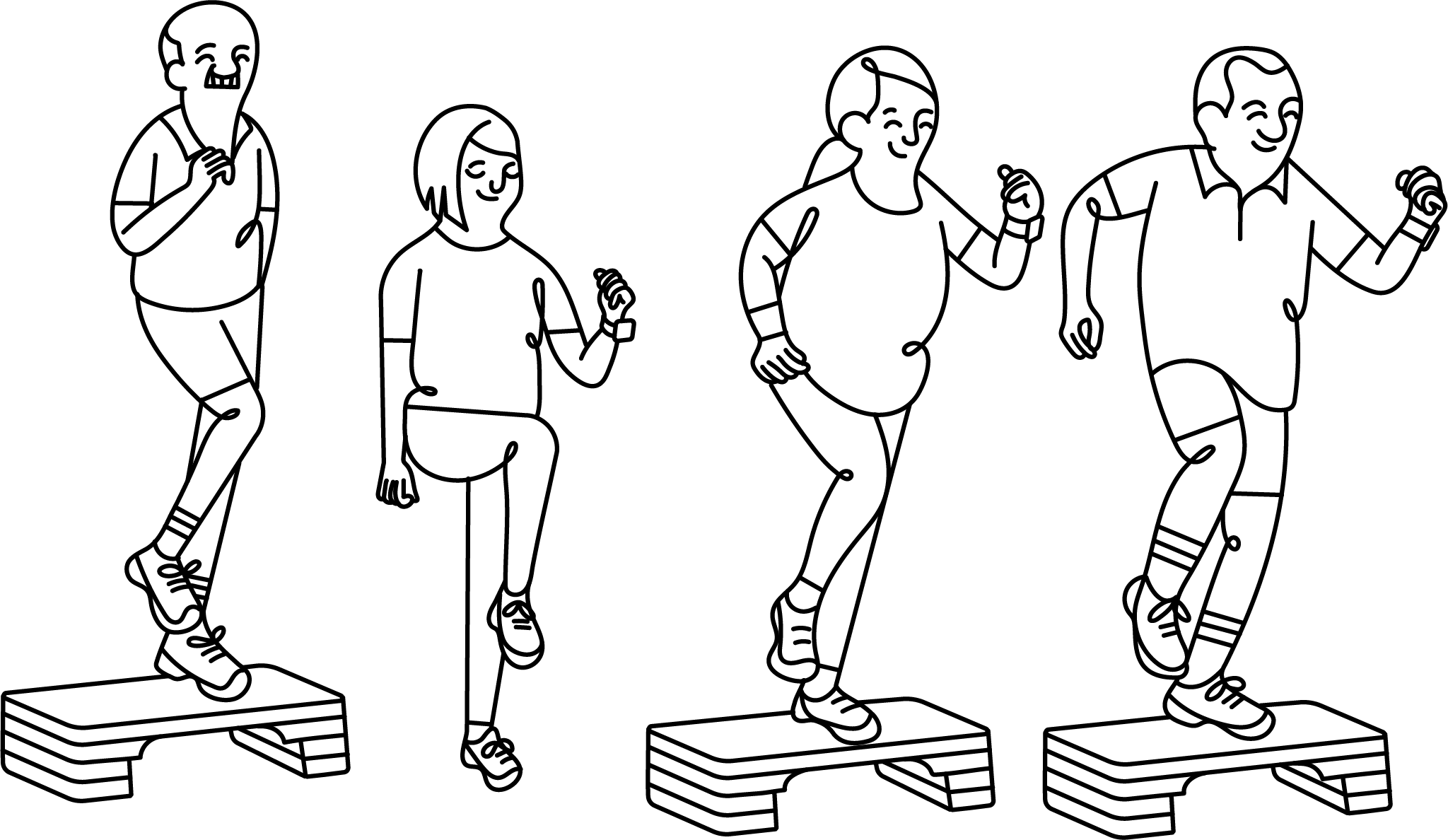
Your stroke complications dictate which stroke rehabilitation programs are best for you. In physical therapy, you may use methods like motor-skill exercises to regain mobility. Occupational therapy can help you relearn everyday tasks, from grooming to walking, and can correct cognitive impairment, including memory or reasoning issues. Speech therapy not only can help you regain your ability to properly speak but it also can improve cognitive function.
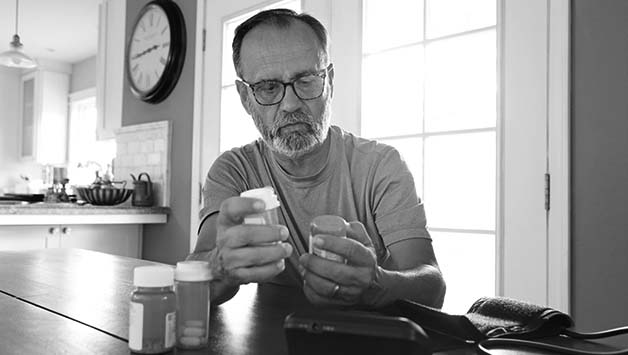
It’s believed that up to 80% of strokes could be prevented. Applying the American Heart Association’s Life’s Essential 8TM can lower your risk of cardiovascular events, such as a stroke, by almost 75%. Its guidelines include a healthy diet, exercise, good sleep, and smoking cessation. You must also keep your weight, cholesterol, blood sugar, and blood pressure under control and take prescribed medications.
These stroke rehabilitation tips can help you move towards physical recovery and prevent a second stroke. This is important since almost 25% of strokes each year are experienced by stroke survivors.
Your physical stroke rehabilitation will not only depend on the severity of your stroke, but also on the complications you experience, how quickly you start therapy, and the intensity of your efforts. Most people will see the bulk of improvement in the first three months of stroke recovery. You may continue to see advancements after six months, but they may appear slower. When you remain committed to healing, you may see benefits up to 12 to 18 months following your stroke.
However, it’s important to keep in mind that, since a stroke is an attack on the brain, you may need to give equal attention to your emotional recovery. Your physical recovery may depend on it.
Emotional recovery after a stroke matters as much as physical healing. Research shows that one year after a stroke, people who don’t feel able to talk about their emotions experience poorer physical recovery. You don’t have to go through this alone — resources are available to help you manage a range of emotional challenges.
A stroke can trigger unexpected emotions, but these reactions make sense given the trauma your body and brain have endured. You may feel irritable or frustrated with your situation — up to 35% of stroke survivors experience irritability and may lash out verbally or physically at loved ones.
Anxiety affects about 20% of survivors, and roughly 30% develop depression. Depression can stem from the stress of the stroke itself, changes in brain chemistry, or a combination of factors.
You may also experience grief, uncontrollable crying or laughing, impulsive behavior, emotional numbness, or other personality changes. Just as physical rehabilitation supports your body, counseling and support programs play a critical role in restoring emotional health.
Previous studies have shown that survivors with post-stroke depression have double the risk of having another stroke within a year. To help you avoid this and recover, therapists and counselors can intervene with psychotherapy (or talk therapy) and cognitive behavioral therapy, which helps you change negative thoughts and patterns. Depending on the severity of your emotional issues, medications may also provide relief.
Studies show that people with post-stroke depression face twice the risk of having another stroke within a year. To reduce this risk and support recovery, therapists and counselors use psychotherapy (talk therapy) and cognitive behavioral therapy to help you identify and change negative thought patterns. When emotional symptoms are more severe, medication can also help relieve them.
You can support your emotional recovery with these stroke rehabilitation tips:
Over 85% of strokes are ischemic, meaning a blood clot has prevented blood flow to an area of the brain. Since the lifetime costs of ischemic strokes are upwards of $140,000, many people may face high out-of-pocket costs.
Erin Bueltel, Director of Product Solutions for Wellabe, says medical costs for a stroke can be extensive. In addition to a hospital stay, they may include rehabilitation in a skilled nursing facility, doctor visits, home health care, and prescription medications. That’s why it’s important to know what gaps exist in your health care insurance so that you can plan for out-of-pocket costs.
Bueltel says the out-of-pocket costs you may face with a stroke will depend on whether you have Medicare Parts A, B, or C (Medicare Advantage) or another private plan.
For original Medicare (Parts A and B): You’ll have stroke coverage for your initial care at the hospital; stroke rehabilitation, if deemed medically necessary; and your follow-up appointments. Still, you can expect to pay your deductibles, coinsurance, and copayments. This means, for your emergency care, you’ll need to meet your Part B deductible and then pay 20% coinsurance. If you’re admitted into the hospital, you’ll be responsible for meeting your Part A deductible.
If you need rehabilitation services and can complete three hours of therapy each day, you may transfer to an inpatient rehabilitation center. You’ll pay $0 for the first 60 days you’re there. Stroke patients unable to undergo this level of rehabilitation may transfer to a skilled nursing facility, where the average stay is 32 days. Starting on day 21, you’ll pay coinsurance each day, up to 100 days.
For Medicare Advantage (Part C) and other private insurer plans: If you purchased a Medicare Advantage plan or have coverage under an employer, you must ask your insurer about your stroke coverage. While Medicare Advantage plans must provide the same benefits as original Medicare at a minimum, you may have additional benefits.
You’ll want to make sure your hospital is in network since many providers no longer accept some Medicare Advantage plans. This is due to a complex prior authorization process, leading to delays in receiving care, as well as denial of claims.
But no matter which plan type you have, you can avoid surprises — and hits to your savings — when you consider supplemental insurance.
One of the best types of insurance for stroke coverage is Critical Illness insurance.
“Critical Illness insurance for stroke coverage provides a lump sum cash benefit, if you’re diagnosed with a stroke, at the time of your diagnosis,” explains Bueltel. “That cash benefit can be used for medical costs and indirect medical costs like additional help around your household.”1
When you enroll, you select the cash benefit you may need, which can range from $5,000 to $100,000. That amount is paid to you following your stroke diagnosis. Bueltel says you may use the money as you choose, such as for medical expenses or additional needs, like home health care or to offset loss of income. Your agent can help you decide whether Critical Illness insurance could help meet your needs.
“Wellabe’s offering lets you choose if you want coverage for stroke and heart attack or cancer, or you can get a plan that covers them all,” Bueltel says. “You can also get coverage for other family members — your spouse or children — or choose extra benefits for cardiac surgery or other illnesses.”2
Protect your financial health as you recover your physical and emotional well-being. For more information about Wellabe’s supplemental health products and what is available in your state:
Photo credit: iStock
When you sign up for Wellabe's monthly email newsletter, you'll receive tips to protect your health and financial well-being in retirement.
Wellabe Rewards was created to thank loyal customers. Every action you take with Wellabe Rewards is a step toward improving your well-being and earning points toward rewards.
Medicare Supplement insurance, a.k.a., Medigap, is supplemental health insurance meant to fill gaps between what’s paid by original Medicare and the overall cost of health care treatments.
Wellabe offers Critical Illness supplemental health insurance to help fill gaps between what's paid by original Medicare and the overall cost of treatments for cancer, heart attacks, strokes, and more.
Wellabe offers life and supplemental health insurance plans to help you prepare for good days and bad. We’ll always be here to empower you to be well — well prepared and well protected.
50-02-00026 US
03-26