Top health trends for seniors in 2026: Simple ways to be well, every day
Senior health trends shift from treating illness to preventing decline
Healthy aging isn’t about chasing the latest health craze or doing everything perfectly. The top senior health trends for 2026 are designed to help you protect what matters most: your independence, mobility, clarity, confidence, and quality of life. They focus on prevention, personalization, and practical support — all with an emphasis on building meaningful, everyday habits that add up over time.
What are the top health trends for seniors in 2026?
1. Personalized health: Care that fits your needs
Personalized care continues to grow because it helps older adults focus on what actually works for them. Instead of generic advice, health plans are increasingly shaped around personal health history, daily routines, and individual goals.
Care that meets you where you are
- Reviewing medications to reduce side effects, especially if you take multiple prescriptions
- Customized exercise programs based on mobility and comfort
- Personalized nutrition and supplement plans that reflect preferences and needs
Why it matters for seniors
- Fewer unnecessary treatments
- Better outcomes with less strain on the body
A simple place to start
The National Institute on Aging (NIA) encourages older adults to talk with their health care provider about medicines, supplements, and possible side effects on memory, sleep, and brain function. A quick check‑in, at least annually, can support energy, balance, and overall well‑being.
2. Brain health and cognitive well‑being: Small habits add up
Brain health for seniors is no longer something people wait to think about “later.” Cognitive health — the ability to think, learn, and remember clearly — supports everyday tasks like managing medications, cooking, and driving. While genetics can’t be changed, many environmental and lifestyle factors can be managed early, and small changes can support brain function over time.
In 2026, more older adults are focusing on daily habits that support memory, focus, and mental clarity.
Helpful trends
- Mental exercises that are short, simple, and engaging (cognitive training apps, puzzles, and learning routines)
- Lifestyle habits linked to long‑term cognitive health, like nutrition, sleep, physical activity, and social connection
- Early screening and conversations with providers about cognitive changes
Why it matters for seniors
- Protecting independence
- Reducing fear around memory loss
- Staying socially and mentally engaged
A small step that matters
Do one thing each day that challenges or engages your mind — try a new recipe, read, learning something new, or have a meaningful conversation. Consistency is more important than complexity.
Helpful resources
3. Mobility, strength, and fall prevention: Staying steady supports independence
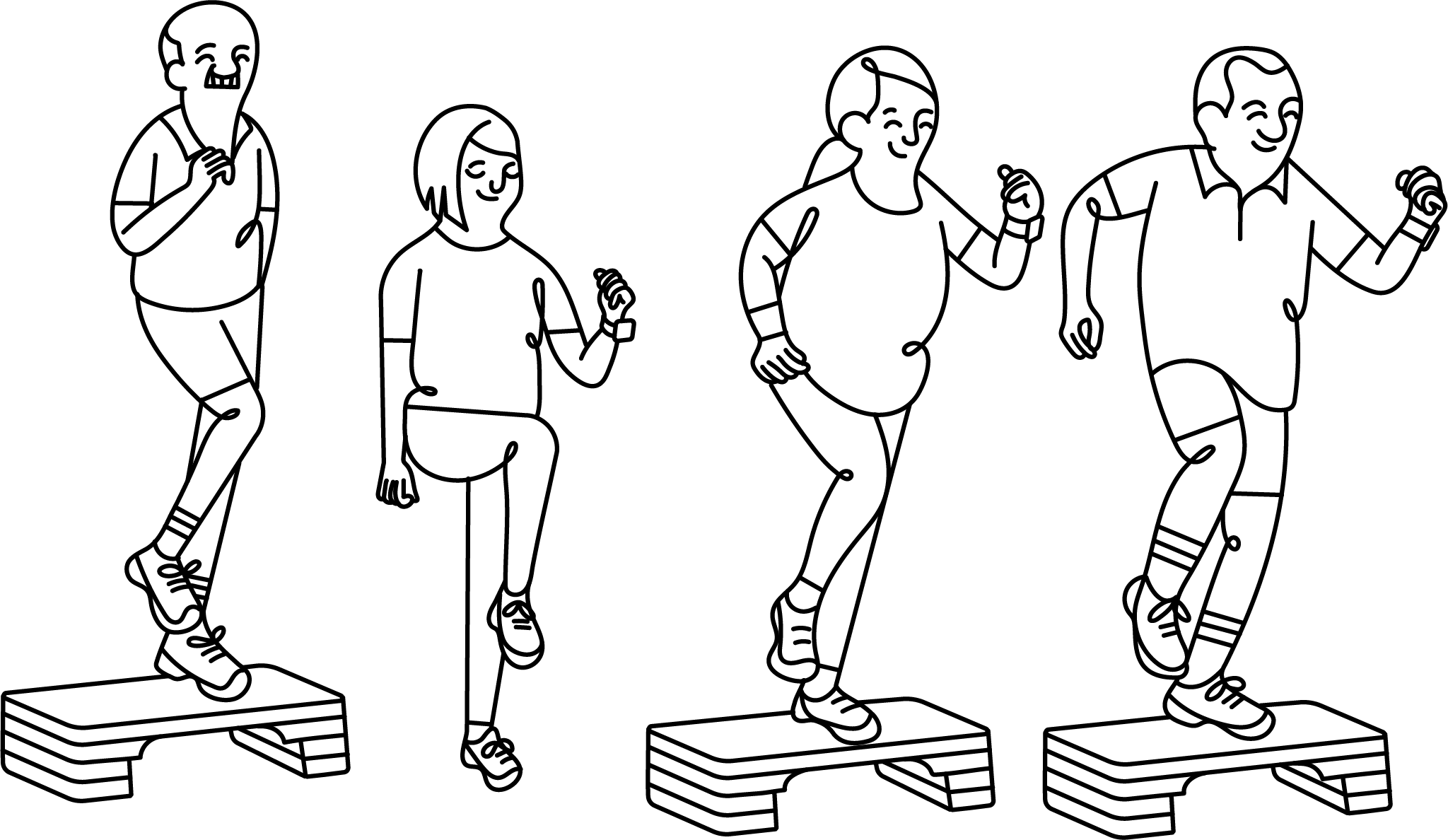
Mobility and fall prevention remain top priorities for healthy aging because staying steady helps you stay independent. Strength and balance don’t just help your body — they help you move through life with confidence.
What’s supporting seniors in 2026
- Gentle strength training for seniors using resistance bands, light weights, or body weight
- Balance exercises designed to fit into daily routines
- Fall‑prevention strategies that include home safety and footwear
Why it matters for seniors
- Fewer falls and injuries
- Increased confidence in daily movement
- Better long‑term independence
Try this
Stand behind a sturdy chair and gently practice balancing on one foot for a few seconds at a time. It’s a small habit that can make a real difference over time.
4. Sleep health: Good sleep is essential — not optional
Sleep health is getting the attention it deserves, especially for adults over 50. Quality sleep supports memory, mood, immune health, and even balance. Many older adults struggle with changes in sleep as they age, even though they need about the same amount of sleep as other adults — 7 to 9 hours per night.
In 2026, the focus is on improving sleep through habits and routines, not quick fixes.
Common sleep challenges after 50
- Trouble falling or staying asleep
- Waking earlier than desired
- Sleep disrupted by stress, pain, or racing thoughts
Healthy sleep habits that can help
- Keeping a consistent bedtime and wake‑up time
- Creating a calm, comfortable sleeping environment
- Limiting screen time before bed
- Staying active during the day
- Managing stress through relaxation or breathing routines
A practical first step
Choose one small evening routine that signals “it’s time to rest” — dimming the lights, stretching, or reading. These cues help your body and mind wind down naturally.
Good sleep isn’t about perfection. It’s about supporting your body so it can do what it’s designed to do: restore and recharge.
5. Wearable health technology for seniors
Wearables can support awareness of activity, sleep patterns, and routines, but it’s important not to treat general wellness outputs as medical diagnosis or treatment guidance.
Wearable health devices for seniors are becoming easier to use and more helpful — without feeling intrusive.
Common features
- Activity and heart‑rate tracking
- Sleep insights
- Fall detection and emergency alerts
- Optional data sharing with caregivers or providers
Why it matters for seniors
- Peace of mind
- Early detection of health issues
- Support for aging at home
Tip
If you already use a wearable, focus on just one feature, like daily steps or sleep patterns. You don’t need to track everything to see benefits.
6. Nutrition for longevity: Support strength and reduce inflammation
Nutrition for healthy aging is about fueling your body in ways that support energy, digestion, and muscle strength — without complicated rules.
What’s making a difference
- Prioritizing protein to support muscle and balance
- Eating fiber‑rich foods like fruits, vegetables, whole grains, for gut health
- Staying hydrated
- Reducing highly processed foods when possible (thirst cues can change with age)
- Tailoring choices to health needs and clinician guidance
Why it matters for seniors
- Better energy and digestion
- Reduced joint pain and chronic inflammation
- Stronger immune function
An easy upgrade
Add a protein‑rich option to breakfast, like eggs, Greek yogurt, or a smoothie. Minor changes can support strength and stamina throughout the day.
7. Mental health, emotional wellness, and social connection
Mental and emotional well‑being are essential to quality of life. In 2026, there’s greater recognition that loneliness and chronic stress can affect both mental and physical health. NIA says staying connected with social activities can help ward off isolation and may support cognitive function.
Supportive trends
- More open conversations about mental health and including “connection goals” in wellness planning
- Community programs that encourage connection (in-person and online)
- Mindfulness and stress‑management tools designed for older adults
Why it matters for seniors
- Improved mood and emotional resilience
- Better physical health outcomes
- Stronger sense of purpose
A gentle goal
Make one regular connection each week — a phone call, weekly coffee meet-up, walk with a friend, community center class, or volunteering. People helping people is powerful.
8. Aging at home with confidence
Many older adults want to age in place, and today’s tools make that more possible than ever. Simple fall prevention home adjustments and supportive technology can help reduce risk and increase comfort.
Helpful ideas
- Better lighting and clear walkways to remove tripping hazards
- Bathroom safety features
- Telehealth options for routine care
- Smart home health devices with reminders for medications or appointments
Why it matters for seniors
- Independence without isolation
- Reduced caregiver stress
- Lower long‑term care costs
Start here
Place a lamp or cell phone near your bed to light your path. Take a walk through your home and remove one tripping hazard. Small steps can help you feel safer and more confident at home.
How can seniors stay healthy as they age?
Older adults stay healthiest by focusing on daily habits that support strength, balance, brain health, sleep, nutrition, emotional well‑being, and preventive care — taking small, consistent steps that make every day better.
Be well, one step at a time
If you’re not sure where to begin, pick just two simple steps and build from there:
- Add a protein option at breakfast
- Walk 10 minutes after one meal
- Do a 2-minute balance exercise 3 times per week
- Schedule a medication review
- Call one person you enjoy talking to weekly
- Set a consistent bedtime
- Explore Wellabe’s healthy living tools
Photo credit: iStock
Explore and learn more
Wellabe offers life and supplemental health insurance plans to help you prepare for good days and bad. We’ll always be here to empower you to be well — well prepared and well protected.