Healthy aging isn’t only about what happens in a doctor’s office. It’s also shaped by what happens every day at home — how well you sleep, move, take medications, manage chronic conditions, and stay connected to the people and providers who support your well-being.
That’s why connected health technology has become an important part of personalized senior care. As a top health trend for seniors in 2026, tools are being designed to support prevention, personalization, independence, and quality of life for older adults. And as the future of senior health care becomes more proactive and precise, technology can help you and your care team make better-informed decisions between visits.
“The time you spend with your doctor is a tiny portion of your life — it’s minutes,” says Dr. George Kuchel, M.D., director of the UConn Center on Aging at the University of Connecticut. “But you spend years not in your doctor’s office, so connected health technology is essential to monitor function in health outside of the doctor’s office.”
In other words, the information your provider gathers during an appointment matters, but it may not show the full picture. Connected health tools can help fill in the gaps.
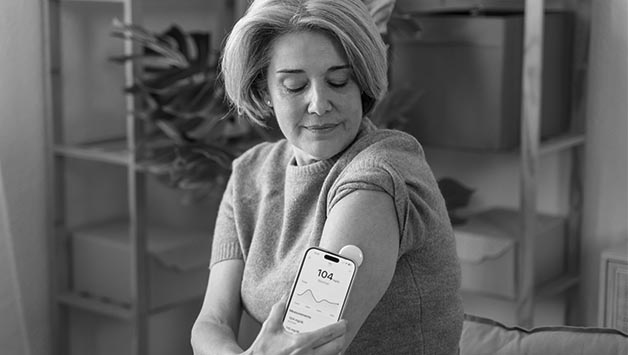
Connected health technology includes digital tools like wearables, patient portals, health apps, telehealth, and remote monitoring devices that help track and share health information. These tools can reveal changes in sleep, activity, blood pressure, or blood sugar, while also making it easier to communicate with providers and manage care.
For older adults, digital health tools can support more personalized care by providing a fuller picture of day-to-day health between appointments.
According to the National Council on Aging, most older adults manage at least one chronic condition, and many manage more than one. That makes prevention, early detection, and ongoing monitoring especially important for helping you be well prepared and well protected.
Small changes in your health can happen long before you notice symptoms. Connected health tools can help detect those changes earlier, giving you and your provider more time to respond.
Dr. Kuchel points to blood pressure as an example. A reading taken during an appointment reflects only one moment, while remote monitoring can reveal trends over time. Depending on your needs, devices such as blood pressure monitors, glucometers, or heart monitors may share data with your care team and help guide care decisions.
This information supports precision health, a proactive approach that uses personal health data to tailor care. For older adults, that can mean managing medications more safely, preventing complications, protecting independence, and focusing on what matters most.
Connected health technology can support personalized senior care in several practical ways.
Smartwatches and fitness trackers can monitor activity, heart rate, sleep, and other wellness metrics. Some also offer fall detection and emergency alerts. While they don’t replace medical care, they can help you spot changes in your health and have more informed conversations with your provider.
Patient portals give you online access to test results, care plans, appointments, prescription refills, and secure messages with your provider. They can help you stay informed, prepare questions before visits, and take a more active role in your care. If you're new to a portal, ask your provider's office for setup assistance and caregiver access options.
Health apps can help with medication reminders, nutrition tracking, exercise routines, stress management, and chronic condition support. The best app is one you’ll actually use. Look for tools that are easy to navigate, clearly explain what they track, and align with your personal goals. If an app gives medical recommendations or asks for sensitive information, talk with your provider about whether it’s appropriate for your situation.
Remote patient monitoring helps your care team track your health between visits, which can be especially useful for chronic conditions such as heart disease, diabetes, or high blood pressure. Regular readings can reveal trends, guide treatment decisions, and show whether lifestyle changes are working. Ask your provider what to track, how often, and when to report changes.
For certain visits, telehealth can make care more convenient, especially when travel, weather, mobility, or distance creates barriers. It may include video visits, phone appointments, online education, or digital follow-up after an in-person visit. But telehealth does not replace every type of care. Some concerns still require an in-person exam, lab work, imaging, or urgent attention.
Technology should support your care, not make it feel less human.
Dr. Kuchel emphasizes that personalized senior care goes beyond data and focuses on the whole person. Geriatric providers often use the “5Ms” framework — mobility, mind, multi-complexity, medications, and matters most — to guide care. While connected health tools can reveal important patterns, your goals, preferences, and priorities should remain at the center of every care decision.
“At the end of the day, it’s a partnership between the patient and the physician and everyone else involved in the care,” Dr. Kuchel says. “When it comes to comprehensive care of older adults, it’s never about physicians. It’s all about teamwork.”
Not all older adults have equal access to connected health technology. Cost, internet access, technology comfort, and device usability can all affect adoption.
That’s why inclusive design and training matter. A tool can have helpful features, but if it’s hard to see, difficult to navigate, or confusing to set up, it may not support the person it was designed to help. If digital tools feel overwhelming, start with one simple option, such as a patient portal or blood pressure monitor.
If cost is a concern, ask about lower-cost options, community resources, or whether your provider recommends a specific device. Your local library may also offer internet access, technology assistance, or devices you can use on-site.
To make digital health tools part of a personalized care plan, bring the conversation to your next appointment. You may want to ask:
Connected health technology helps you and your care team stay informed and act earlier. Used thoughtfully, these tools can support chronic condition management, aging at home, and more personalized care.
Ultimately, personalized senior care looks beyond symptoms to the whole person — helping you make informed decisions and living better today while preparing for tomorrow.
For more tips on health, aging, and financial well-being, subscribe to Wellabe’s newsletter.
Photo credit: iStock
Connected health technology includes digital tools, such as wearables, patient portals, telehealth, health apps, and remote monitoring devices that help older adults track health information and share it with care providers.
Technology can help providers understand what happens between appointments, including changes in activity, sleep, blood pressure, blood sugar, medication routines, and other daily health patterns.
Digital health tools can support aging at home by helping older adults monitor health changes, communicate with providers, manage medications, and respond earlier to potential concerns.
A good first step is choosing one simple tool that matches a current need, such as a patient portal, medication reminder, blood pressure monitor, or wearable device that tracks activity or sleep.
Wellabe offers life and supplemental health insurance plans to help you prepare for good days and bad. We’ll always be here to empower you to be well — well prepared and well protected.