What walking speed can reveal about healthy aging
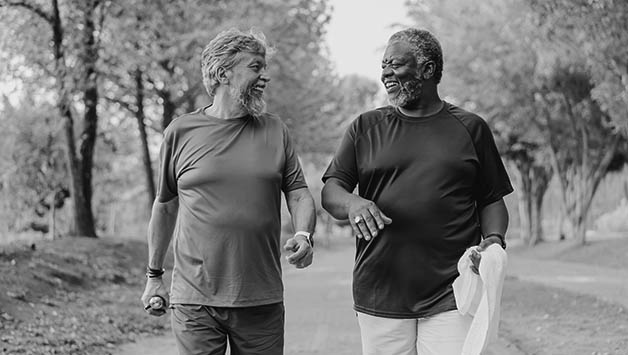
Why mobility is one of the most important markers of healthy aging
When people think about healthy aging, they often focus on memory, blood pressure, cholesterol levels, or weight. While all of these measures matter, researchers increasingly recognize another important indicator of long-term health: mobility.
In fact, research published in “The Lancet: Healthy Longevity” notes that walking performance has emerged as a powerful predictor of disability and mortality, leading some experts to refer to gait speed, or walking speed, as the "sixth vital sign" in older adults. Rather than focusing on your feet alone, health experts are paying closer attention to how well a person moves through everyday life and what that movement may reveal about future health and independence.
Why mobility matters for independence
One reason mobility receives so much attention in geriatric medicine is because it’s one of the Geriatric 5Ms, a framework used by health care professionals to support healthy aging.
Mobility involves much more than simply getting from one place to another. It affects nearly every part of daily life. Walking speed, balance, ankle strength, and lower-body function all work together to support daily activities like grocery shopping, housekeeping, climbing stairs, and spending time with family and friends. Maintaining these abilities can help you stay active, reduce your risk of falls, and preserve the independence that allows you to live life on your own terms.
What your walking speed can tell you about your health
Walking speed may seem like a simple measure, but it reflects how multiple body systems work together.
When you walk, your muscles, joints, heart, lungs, nervous system, and balance mechanisms all contribute to movement. Because so many systems are involved, walking speed can offer a useful snapshot of overall physical function.
Research has found that slower walking speeds can be associated with reduced mobility and an increased risk of future functional decline. Fortunately, maintaining a healthy walking pace does not require intense exercise or athletic performance. Regular movement and staying physically active are often the most important factors.
Helpful resources

Balance and ankle strength play a bigger role than many people realize
When people think about balance, they often picture the inner ear. But your feet, ankles, and lower legs also play a critical role in helping you stay steady.
According to research highlighted by ScienceDaily, the ankle serves two important purposes during walking:
- Helping maintain stability
- Helping propel the body forward
As we age, researchers have found that the body often adopts a "stability-first" strategy. This adaptation may help reduce the risk of falling, but it can also contribute to slower walking speeds, shorter strides, and increased fatigue during activity.
Your ankles and feet are constantly providing information to your brain about body position and movement. These signals help you navigate stairs, uneven sidewalks, curbs, and other everyday obstacles.
Strong muscles in the feet, ankles, and calves help support these functions, making them an important part of maintaining mobility and stability.
Why lower-body strength supports healthy aging
Strong legs do much more than help you exercise. Lower-body strength supports essential daily activities, including:
- Rising from a chair
- Climbing stairs
- Carrying groceries
- Walking longer distances
- Recovering from trips or stumbles
- Maintaining balance during movement
For this reason, the Centers for Disease Control and Prevention and other organizations recommend strength and balance activities as part of fall-prevention efforts for older adults.
Research continues to show that strength and balance exercises can help improve mobility and reduce fall risk, making them an important component of healthy aging.
Simple habits that can help preserve mobility
The good news is that maintaining mobility does not require hitting a perfect 10,000-step goal every day. Consistency matters more. Simple habits that can support mobility include:
- Taking regular walks
- Practicing balance exercises
- Performing strength-training activities approved by your doctor
- Stretching to maintain flexibility
- Wearing supportive footwear
- Reducing long periods of sitting
Research also suggests that short walks after meals may help improve the body's ability to manage blood sugar by encouraging muscles to use glucose more effectively. Even a 10- to 15-minute walk can help you build healthy habits while supporting overall wellness.
Photo credit: iStock

FAQ
Yes. Researchers have found that walking speed can provide valuable information about overall physical function, mobility, and future health outcomes. Because walking involves multiple body systems working together, gait speed is often considered an important indicator of healthy aging.
Regular physical activity, strength training, balance exercises, walking, stretching, and staying active throughout the day can all help support mobility as you age.
Good balance helps reduce fall risk and supports safe movement during everyday activities such as walking, climbing stairs, and getting in and out of chairs.
Research suggests that walking after meals may help manage post-meal blood sugar levels and contribute to overall health.
Explore and learn more
Wellabe offers life and supplemental health insurance plans to help you prepare for good days and bad. We’ll always be here to empower you to be well — well prepared and well protected.