Fall prevention for seniors: How to reduce risks and age in place safely
Watch for senior fall risk factors and take home, health, and lifestyle steps to stay independent longer
One in four adults ages 65 and older experiences a fall each year, making falls a leading cause of injury among older adults. According to a recent report on fall prevention for older adults, millions of seniors require medical care after a fall, and the consequences can include hip fractures, traumatic brain injuries, loss of independence, and even death. Fall prevention for seniors has become increasingly important as these incidents affect not only older adults and their loved ones, but also health care systems, Medicare spending, and long-term quality of life.
Download Wellabe's free fall prevention checklist >
The far-reaching impacts of falls among seniors
Falls affect more than just the people who experience them. They place additional demands on families, caregivers, and health care systems, while also creating significant financial costs.
Nonfatal falls among older adults cost nearly $80 billion annually, with most expenses paid by Medicare. Without supplemental insurance, even a single hospital stay or emergency room visit can strain retirement savings. Falls can also increase costs for residents and operators of senior living facilities.
The good news is that many falls can be prevented. By identifying and reducing senior fall risk factors, you can help protect your health, independence, and financial well-being.
What is the biggest fall risk for older adults?
If you've fallen before, your risk of falling again doubles, making a previous fall one of the strongest predictors of future falls. The more senior fall risk factors you have, the greater your chance of experiencing a fall.
Helpful resources
Why do seniors fall more often?
Several health and lifestyle factors can increase fall risk, including:
- Vision and hearing loss: These conditions can significantly increase your risk of falling.
- Chronic conditions: Arthritis, diabetes, and other chronic illnesses can affect balance, mobility, and coordination.
- Nutrient deficiencies: Low levels of vitamin D and calcium can weaken bones and muscles, while vitamin B12 deficiency can cause numbness, tingling, and balance problems.
- Lower-body weakness: Chronic conditions, nutrient deficiencies, and inactivity can contribute to muscle loss and reduced stability.
- Mental health concerns: Anxiety, depression, loneliness, and other mental health concerns can affect physical health and increase fall risk.
How does mental health affect physical health as I age?
Depression can affect more than your emotional well-being. It can impair balance, coordination, and movement, increasing your risk of a fall. Loneliness can create similar challenges. One in three older adults ages 50 to 80 experiences loneliness and isolation, which can contribute to chronic stress, inflammation, weaker immunity, and a higher risk of type 2 diabetes.
The good news is that therapy, medication, and social connection can help improve mental health and reduce these risks. If you take an antidepressant, however, talk with your doctor about its side effects because some medications can increase fall risk in older adults.
What are other medications that increase fall risk for seniors?
Some medications for anxiety and sleep disorders, as well as opioids and muscle relaxants, can affect balance and coordination. Even common over-the-counter medicines can cause problems. For example, NSAIDs like ibuprofen can affect blood pressure and cause dizziness when you stand.
If you take medications that may increase fall risk, ask your doctor or pharmacist to review your prescriptions, supplements, and potential interactions. As you age, your body processes medications differently, making regular medication reviews especially important.
Even if you need a medication that increases fall risk, you can take steps to stay safe. Home modifications and other fall-prevention measures can help protect both your physical health and your independence.
How does housing affect senior health?
Your home can either support your health or increase your risk of falling. Common hazards include cluttered walkways, poor lighting, and uneven steps. When these safety risks go unaddressed, they can increase your fear of falling, especially if you've fallen before. Fear can lead to stress, lower confidence, social isolation, and less physical activity, which may weaken muscle strength and threaten your ability to live independently longer.
Can seniors live independently longer?
Most adults ages 65 and older live in their own homes, and fewer than 10% receive in-home caregiving. But only 46% have made the preparations needed for aging in place safely. By making your home safer and taking steps to prevent falls, you can help protect your health, independence, and quality of life.
What makes a home safer for aging adults?
The CDC's STEADI program recommends identifying fall risks early and improving home safety for seniors. A home safety checklist can help you spot hazards and make simple changes, such as improving lighting, moving frequently used items within reach, and adding grab bars in bathrooms. You can also find support through your state's unit on aging or local Area Agency on Aging.
For added protection, consider wearable devices that detect falls and send emergency alerts. These tools rank among the top health trends for seniors and can support your efforts to prevent falls and age in place safely.
How can I prevent falls as I age?
Besides safeguarding your home, STEADI also recommends the following actions for fall prevention.
Stay active
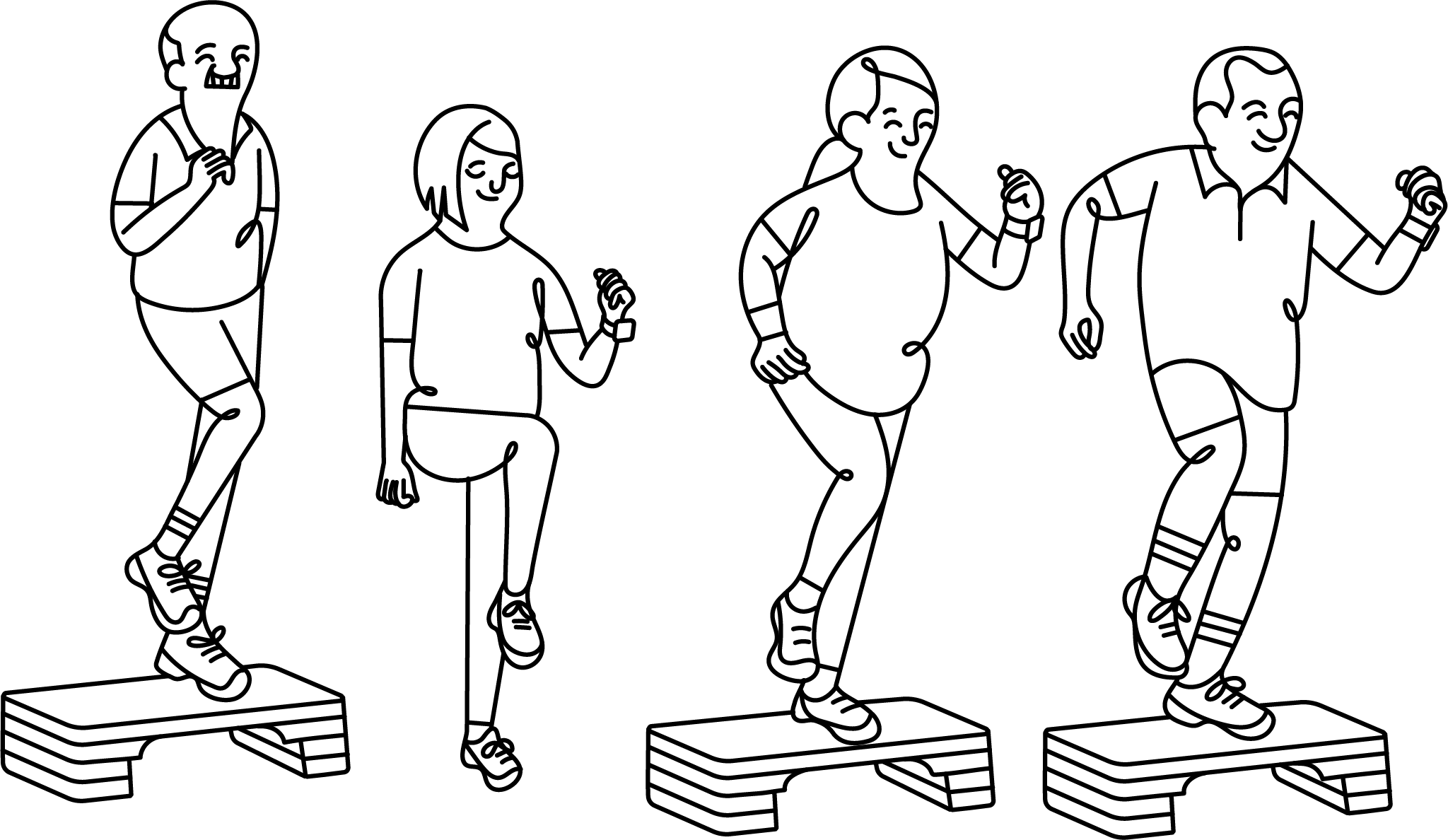
Regular balance exercises for older adults, including tai chi, strength training, and balance work, can help reduce falls. Ask your doctor which activities fit your needs.
Wear supportive shoes
If neuropathy, foot pain, or limited mobility affects your balance, talk with your doctor or podiatrist. The CDC recommends footwear with laces or straps and stable heels for added support.
Review your medications annually
Some prescriptions, supplements, and over-the-counter medicines can increase fall risk. Polypharmacy can increase side effects such as dizziness and sedation. Never stop taking medication without your doctor's guidance.
Schedule yearly vision and hearing exams
Vision changes can increase fall risk, and treating hearing loss with a hearing aid can significantly lower it. The American Academy of Ophthalmology recommends regular eye exams for older adults.
Talk with your health care provider
Report symptoms, balance problems, or concerns about falling. Addressing issues early can help you maintain your independence and quality of life.
At Wellabe, we want to help you age in place with success. Subscribe to our newsletter for monthly tips on safeguarding your physical, mental, and financial well-being in retirement. Or, download our free fall prevention checklist.
Photo credit: iStock
Explore and learn more
Wellabe offers life and supplemental health insurance plans to help you prepare for good days and bad. We’ll always be here to empower you to be well — well prepared and well protected.